
Last updated November 22, 2026
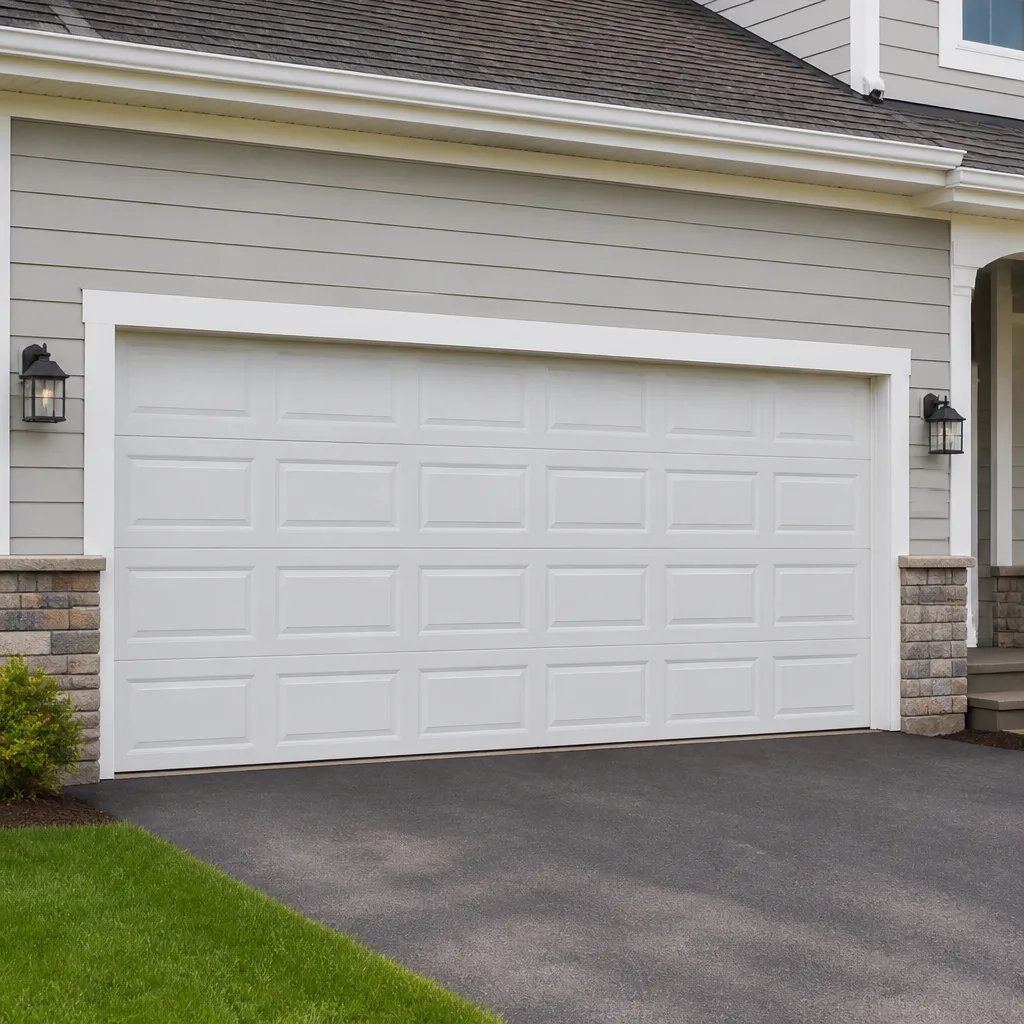 Raised-panel steel
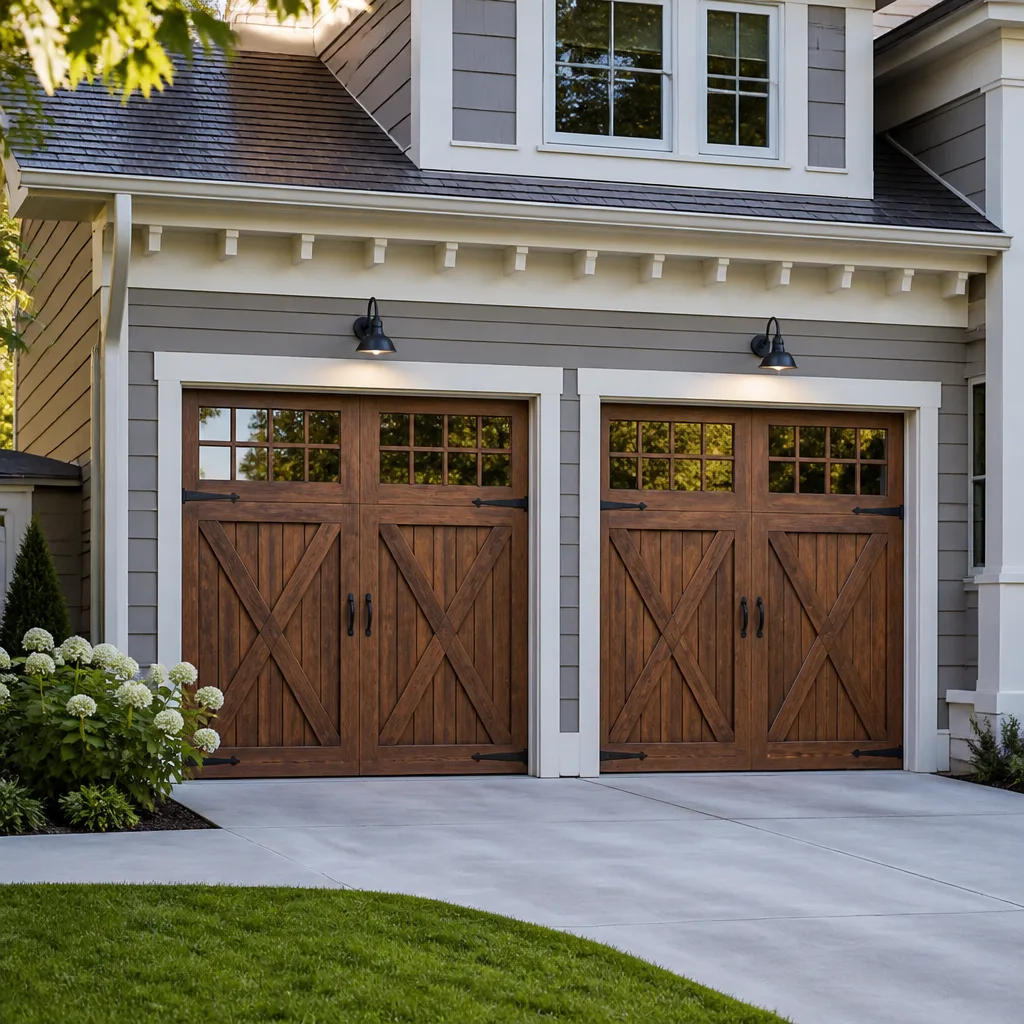 Carriage house
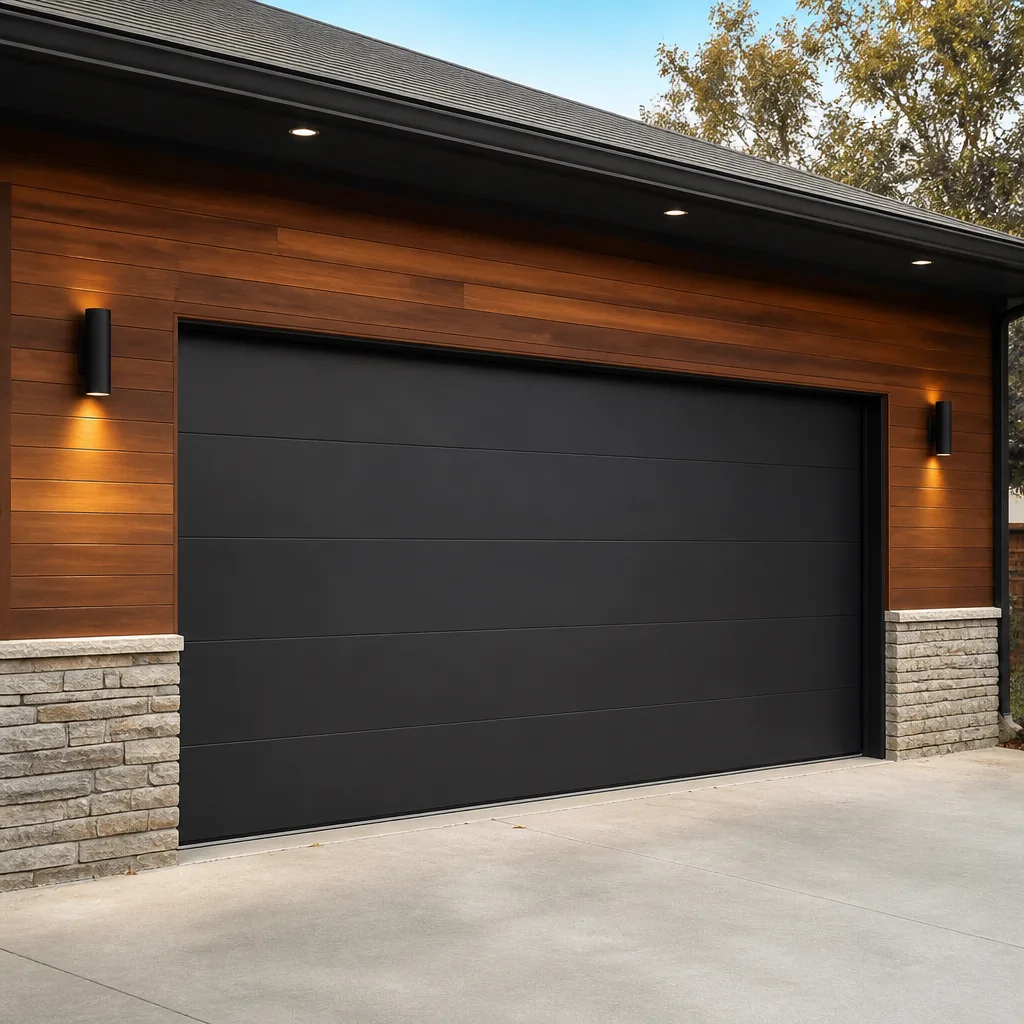 Modern flush
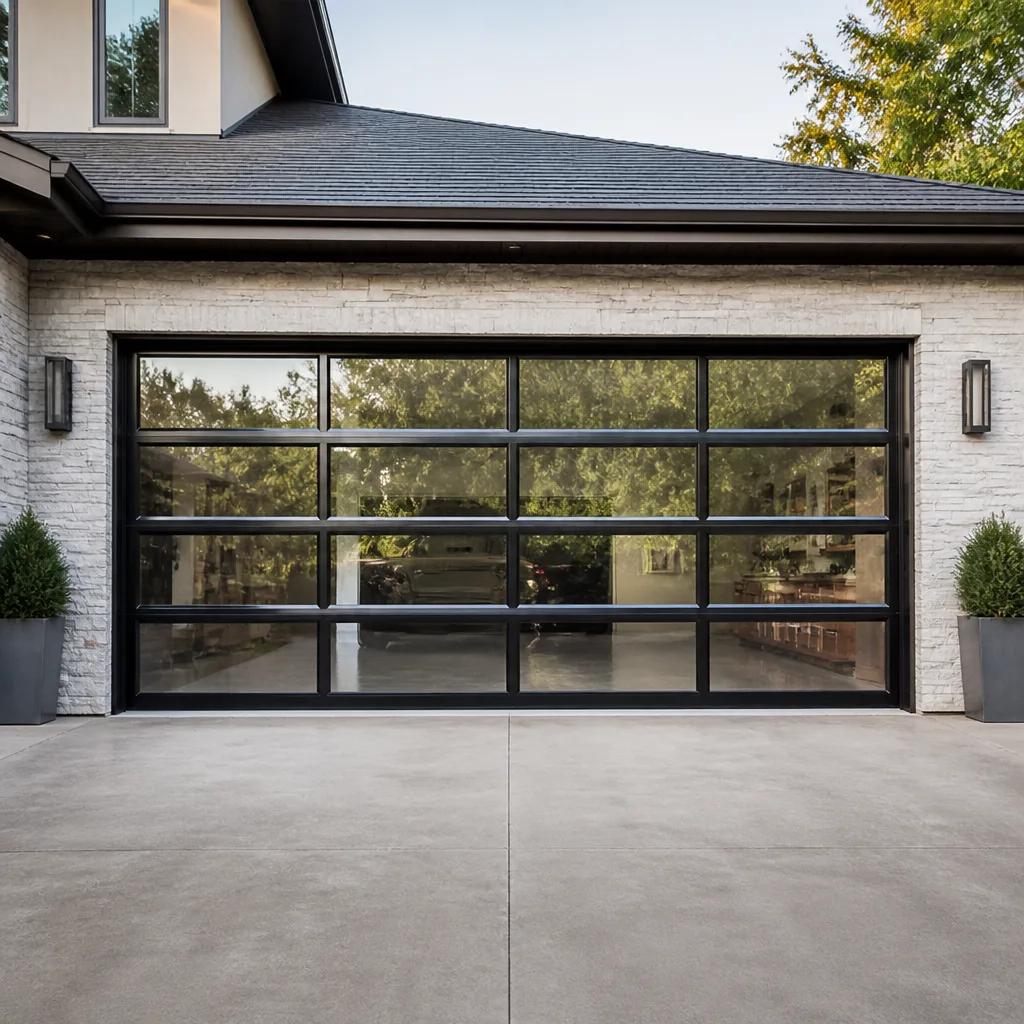 Full-view glass
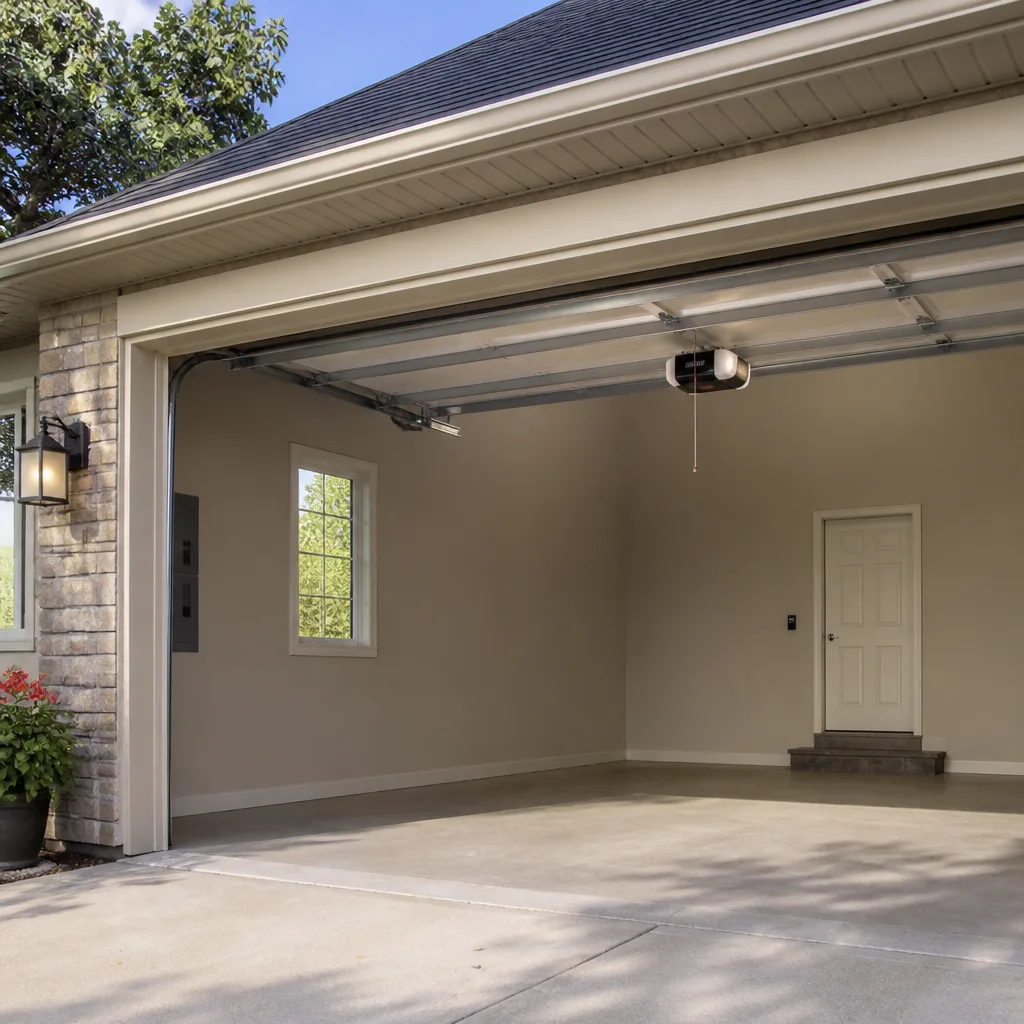 LiftMaster openers
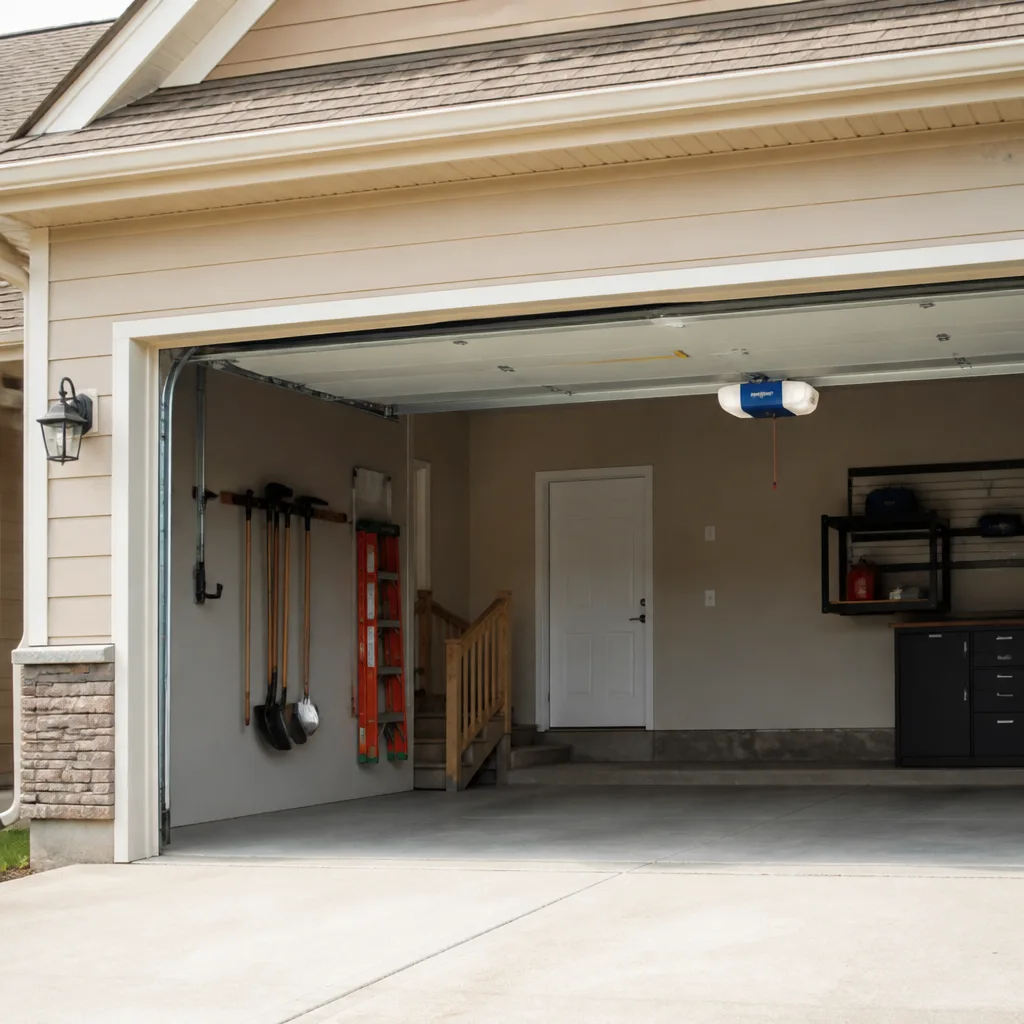 Chamberlain openers
Full 25-point door and opener safety check with every visit - springs, cables, rollers, tracks, and your LiftMaster or Chamberlain opener included
You get a price before we start. It does not change when the pro arrives.
Get your free estimateGarage Door Warning Signs: A South Hill Homeowner’s Reference Guide
A door that takes two seconds longer to open than it did last month isn’t “just getting old.” It’s telling you something. The spring tension has shifted, the opener is overworking to compensate, or both. Most garage door failures don’t arrive without notice. They arrive after months of small signals that got filed away as normal wear. By the time the door stops opening, you’re usually looking at a bigger repair than the one the early warning would have needed. This guide is written for South Hill homeowners who want to read those signals correctly. You’ll learn which sounds mean light wear and which mean imminent failure, how Pacific Northwest moisture leaves its mark on metal, how to test spring balance yourself, and which symptoms mean “schedule a visit this week” versus “stop using the door and call today.”
Quick Answer
Garage door warning signs fall into two groups: cosmetic aging you can watch, and mechanical stress signals you should act on. Light roller squeaks and surface rust are the first kind. Grinding, popping under load, a cable twang, uneven travel, a door that won’t stay halfway open, or an opener that runs past the door’s stop point are the second kind. If you see anything in the second group, stop operating the door and have it inspected.
Styles & brands we work with
- Raised-panel steel
- Carriage house
- Modern flush
- Full-view glass
- LiftMaster openers
- Chamberlain openers
Table of Contents
- What Your Door’s Sounds Are Telling You
- Rust Patterns and Pacific Northwest Moisture
- The Hand Pressure Test: Checking Spring Balance
- Opener Behavior Changes That Signal Internal Failure
- Visual Warning Signs You Can Spot From the Driveway
- A Severity Framework: Schedule This Week vs. Call Today
- Why Some Warnings Are Brand-Specific
- Common Mistakes to Avoid
What Your Door’s Sounds Are Telling You
Sound is the earliest signal a garage door gives you, and it’s also the one homeowners most often misread. A garage door is a mechanical system with rollers, hinges, a torsion or extension spring assembly, cables, and a track. Each of those parts fails in a different way, and each failure has a distinct sound.
Here’s how to sort the noises you’re hearing:
- Light roller squeak. A high, thin squeal that shows up as the door travels past a certain point and fades. This is usually roller or hinge friction, and it’s ordinary wear. It’s worth lubricating, but it doesn’t demand an immediate call.
- Grinding. A low, rough scrape that happens under load, usually at the start of travel or at the top. Grinding usually points to a roller with a seized bearing, a bent track, or a torsion tube that’s worn.
- Popping under load. A sharp pop that repeats as the door opens or closes. This one is worth taking seriously. Popping during travel often precedes spring failure.
- Cable twang. A sudden snap or twang, sometimes followed by a change in how the door moves. A slack or snapped cable is a stop-everything warning. Don’t run the door again.
- Motor strain hum without movement. If the opener hums but the door doesn’t move, the opener is trying to lift a load it can’t carry, or the door is mechanically stuck. Stop and get it looked at.
A ground-floor look at the door from inside, plus a listen through one full open-and-close cycle, will tell you which category you’re in. We’ve seen plenty of South Hill doors where the homeowner had been listening to a popping sound for a month before the spring let go. Catching it in the popping stage usually means a simpler repair than catching it after.
Rust Patterns and Pacific Northwest Moisture
South Hill sits in a climate that gives garage doors a lot of moisture exposure and relatively little direct sun on the north and east faces of a home. That combination produces a specific pattern of rust that’s useful for a homeowner to read. Not all rust is a problem. Some of it is cosmetic, and some of it has reached structural components.
The surface kind of rust is the cosmetic type. You’ll see it as a thin orange-brown film on:
- Painted steel door skins, especially on the lower panels near the bottom seal
- Bolts and hinges that have lost their finish
- The bottom weather seal retainer, which holds moisture against the door’s lowest panel
That surface film can often be cleaned and repainted. It’s worth doing, but it’s not urgent. The type that matters is the rust that has reached the mechanical structure:
- Rollers with visible rust on the shaft or bearing, which stop rolling and start dragging
- Hinges where the rivet has rusted through and the hinge no longer holds the panel alignment
- Torsion springs with visible rust on the coils, which weakens the wire and shortens the spring’s life
- Track sections with rust at the seams, which changes the track’s alignment
Long wet stretches followed by warmer, drier weeks create the conditions where moisture sits on metal and then dries off slowly. Doors that face a shaded side of the house or back up to landscaping get the worst of it. Checking the bottom panel, the hinges, the rollers, and the torsion tube once a season in South Hill is a reasonable habit. If you find rust on the springs or the rollers, that’s a strong sign to bring in a technician for a look.
The Hand Pressure Test: Checking Spring Balance
The springs do most of the lifting on a garage door. The opener is there to guide the door, not to haul its full weight. When spring balance degrades, the opener starts carrying more of the load, and that’s when you’ll notice the door slowing down or the opener sounding strained. You can check balance yourself with a simple test.
Garage door springs are under extreme tension. This test is safe because it doesn’t touch the springs. But anything beyond this test belongs to a trained technician. Do not attempt to adjust, wind, unwind, or remove a spring yourself.
Here’s how to run the hand pressure test:
- Close the door and disconnect the opener using the manual release cord, so you’re testing the door’s mechanical balance without the opener’s assistance.
- Raise the door by hand to about the halfway point. Move slowly. Use the bottom edge, not the panels.
- Let go and watch what happens.
- Lower the door back down carefully, and reconnect the opener when you’re done testing.
What the result means:
- The door holds its position. That’s good balance. Springs are carrying the load as designed.
- The door drifts down slowly. Spring tension has weakened somewhat. This isn’t an emergency, but it’s a sign the springs are near the end of their service life.
- The door drops quickly or falls hard. Spring tension is gone or nearly gone. Stop using the door and call for service. If you keep running the opener, you’re asking it to lift the full weight of the door, and that leads to opener failure on top of a spring problem.
- The door wants to rise on its own. Spring tension is too high, which strains the opener in the other direction and puts pressure on the cables.
If the test tells you the balance has gone bad, our garage door spring repair handles the replacement. The test itself is the useful part for a homeowner: it takes two minutes, it costs nothing, and it tells you what your door is doing before the opener gives you a bigger, more expensive answer.
Opener Behavior Changes That Signal Internal Failure
The opener has its own warning signs, and they’re often mistaken for the door’s problems or ignored entirely because the door still opens. Three behavior changes are worth watching.
Slower travel
If the door takes longer to open than it did a few months ago, the opener is either straining against a door that’s gotten heavier (usually a balance problem) or its internal gears are wearing. On older Craftsman and Chamberlain units, a worn drive gear produces a slow, labored sound before it eventually strips and the opener stops moving the door entirely.
Motor running after the door stops
When the motor keeps running for a second or two after the door reaches the top or bottom, the opener’s travel limit settings have drifted, or the logic board is misreading the door’s position. Sometimes the fix is a limit adjustment. Sometimes it’s a sign the logic board is on the way out. Either way, it’s worth having a technician look, because running past the stop point puts strain on the door’s mechanical parts and on the opener’s internal mechanism.
Remote range reduction
If you used to open the door from the end of the street and now you have to be in the driveway, or if you have to press the remote multiple times, that’s usually a sign of a failing receiver or a weakening remote battery. Start with the battery. If a fresh battery doesn’t fix it, the receiver or logic board is the next suspect. On modern LiftMaster and Genie systems with smart-home features, a range drop can also point to a connectivity issue at the wall control or the hub.
Different brands fail in different ways. Our garage door opener repair diagnoses these by brand, so a Chamberlain’s limit issue isn’t treated like a Genie’s gear issue. If you’re not sure what you’re looking at, stop pressing the button and have someone look at the door and opener together.
Visual Warning Signs You Can Spot From the Driveway
Most of the visual signs you can check once a month in about two minutes, without any tools. Walk out to the driveway, open the door, and look at it from a few feet back.
- Check for a visibly sagging panel line. If the horizontal seams between panels aren’t parallel, a hinge or roller has failed and the door’s alignment is off. A misaligned door puts stress on the track and the springs.
- Look at the track from the side. The vertical and horizontal track sections should be straight and parallel. A bend, kink, or bow is usually the result of a door being forced when something was in the way, and it needs attention before the door’s rollers ride off the edge.
- Examine the springs. Look for gaps in the coil windings. A spring with a visible gap has already broken. A spring with rust spots or heavy discoloration is a candidate for replacement. Never touch a spring to test it.
- Trace the cables. The cables run down each side of the door. They should be taut and evenly seated in their drums. A slack cable, a frayed cable, or a cable that’s come off the drum is a stop-using-the-door signal.
- Inspect the bottom seal. If the weather seal is torn, hanging loose, or missing chunks, water gets behind the door and the bottom panel rusts from the inside. Given the moisture in South Hill, a failing bottom seal is often the first step in a longer rust story.
- Look at the rollers. The rollers should sit fully in the track. A roller that’s popped out of the track, or a stem that looks bent, means the door is close to coming off track under load.
Any single item on that list is worth a call. If more than one is present, stop operating the door and call today. A door that’s misaligned, has a bent track, and has a slack cable is one open-and-close cycle away from a more expensive repair.
A Severity Framework: Schedule This Week vs. Call Today
The most useful thing a homeowner can do with warning signs is put them into two buckets. One bucket gets a scheduled visit. The other bucket gets the door parked and a call made today.
Schedule within the week
- Light roller or hinge squeak that’s new but consistent
- Surface rust on the door skin, hinges, or bottom seal retainer
- Door drifting down slowly during the hand pressure test
- Opener running a second past the door’s stop point
- Remote range reduced, fresh battery didn’t fix it
- One roller that looks slightly worn but is still seated in the track
- Bottom seal torn but the door still closes flush
Stop using the door and call today
- Loud popping or grinding under load, or a cable twang
- A visible gap in a spring coil (broken spring)
- Door drops quickly or falls hard during the hand pressure test
- Door hangs at an angle, or one side travels faster than the other
- Roller popped out of the track, or track visibly bent
- Opener hums but the door doesn’t move
- Cable slack or off its drum
- Door won’t stay closed, or opens on its own
The “call today” group is the group where continuing to use the door makes the eventual repair larger. A broken spring on a door that keeps getting run will often take the opener out with it. A misaligned door will often take the track with it. Neither is worth the delay. We answer 24/7, and dispatch is fast from 7am to 7pm. If you’re in South Hill and you’re not sure which bucket your door belongs in, describe what you’re hearing and seeing and we’ll tell you whether to use the door or park it.
Why Some Warnings Are Brand-Specific
The door and the opener are two separate mechanical systems made by different manufacturers, and each one has its own failure signature. A generic “it’s broken” diagnosis misses that. We work on the brand you already have, and that changes how we read the warning signs.
On the door side, the brand names homeowners most often have on their homes are Clopay, Amarr, Wayne Dalton, and Raynor. Each has its own panel construction and its own hinge style, which means a misalignment issue on one doesn’t present the same way on another. On the opener side, Craftsman and Chamberlain units share plenty of parts and both tend to show gear wear as a slow, labored hum before failure. LiftMaster and Genie systems, especially the smart-home-compatible lines, add logic-board and connectivity warnings that a Craftsman-era unit simply doesn’t have. Being factory-familiar with all eight of the common residential brands (LiftMaster, Chamberlain, Genie, Clopay, Amarr, Wayne Dalton, Craftsman, and Raynor) means the diagnosis starts from the specific model, not from a generic checklist.
If you’re watching a door that’s already worn and you’re weighing repair against replacement, working through the warning signs first is the right order. Most of the doors we see don’t need a new door. They need the failing part identified and replaced. When the door genuinely is at the end of its service life, one call covers the assessment, the repair decision, and a new-door installation if that’s the right answer.
Common Mistakes to Avoid
- Ignoring a new sound because the door still opens. A door that still opens is not a door that’s healthy. Grinding and popping under load are exactly the warnings that show up weeks before a spring lets go, which means the repair is cheapest at the moment the sound starts.
- Treating surface rust and structural rust as the same thing. Surface rust on painted skin is cosmetic and slow. Rust on a torsion spring, a roller bearing, or a hinge rivet is a mechanical problem. Given how much moisture South Hill sees, checking the mechanical parts, not just the skin, is the useful habit.
- Forcing a door that’s stuck or off-track. Forcing a misaligned or off-track door bends the track, rips out hinges, and sometimes drops the door. Stop and call. Nothing good happens on the second attempt.
- Trying to adjust or replace a spring without proper training or tools. Garage door springs are under extreme tension and can cause serious injury if they release unexpectedly. This is not a DIY repair. No homeowner should wind, unwind, or remove a spring, regardless of what the warning sign is telling you.
- Blaming the opener for a door problem. An opener that’s straining usually means the door’s balance has failed, not that the opener itself is worn out. Replacing the opener without fixing the balance leads to the same failure on the new unit.
- Skipping the hand pressure test. The two-minute test is the single most useful thing a homeowner can do to catch spring degradation early. Skipping it means you find out about a failing spring when the door stops opening, not when the balance starts to drift.
- Calling a general handyman for a warning sign you can’t diagnose. A generalist will make a reasonable guess. A technician who works across the major brands will diagnose by brand and by model, which is a shorter path to the right repair. When your opener or door is behaving oddly, our Garage Door Repair South Hill is set up to read those brand-specific signals from the first call.
See the difference
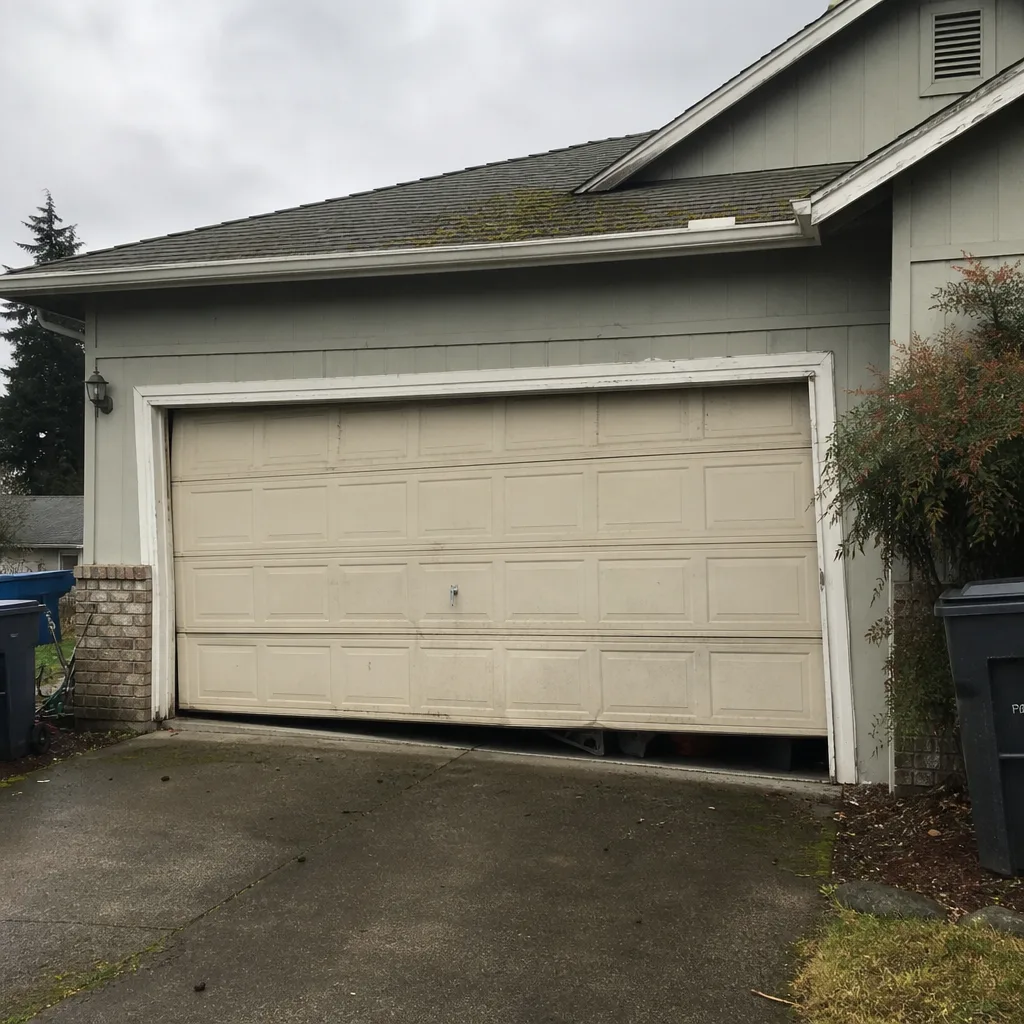 Before
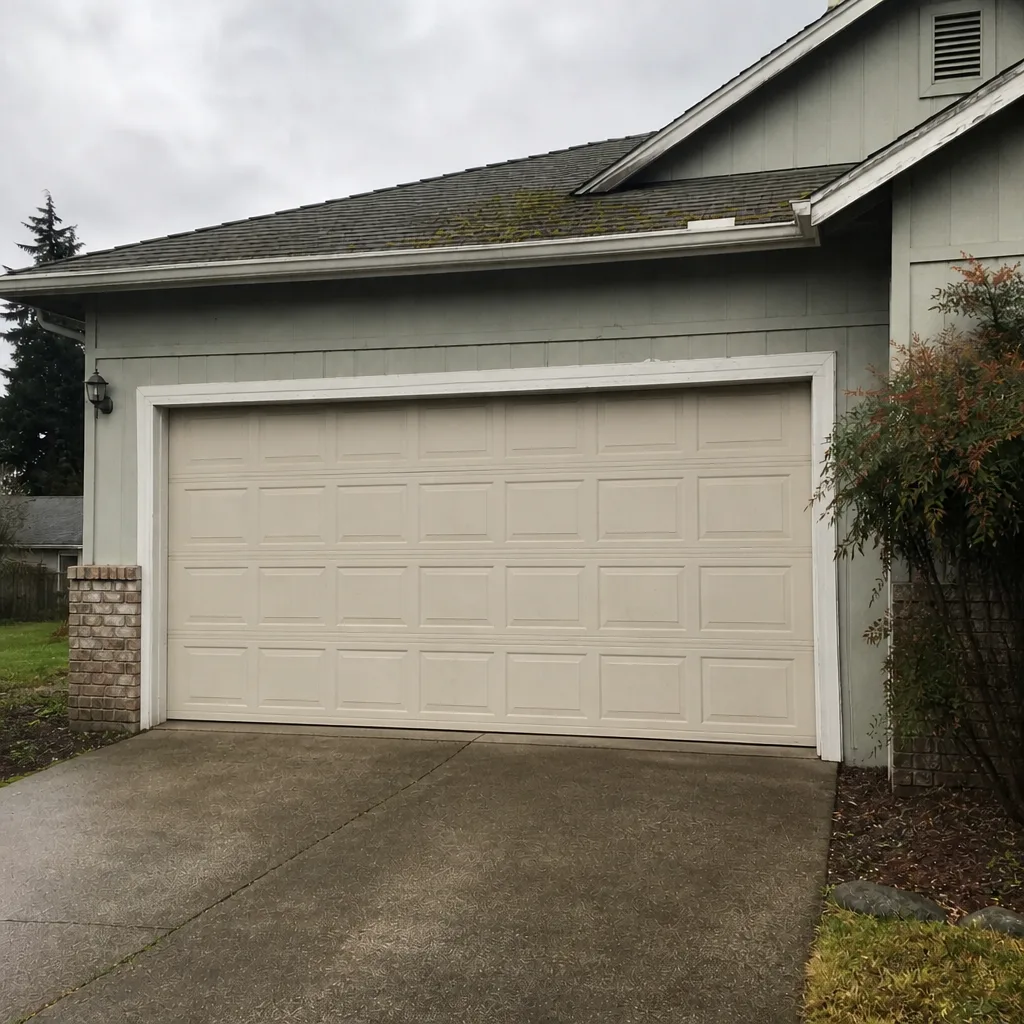 After
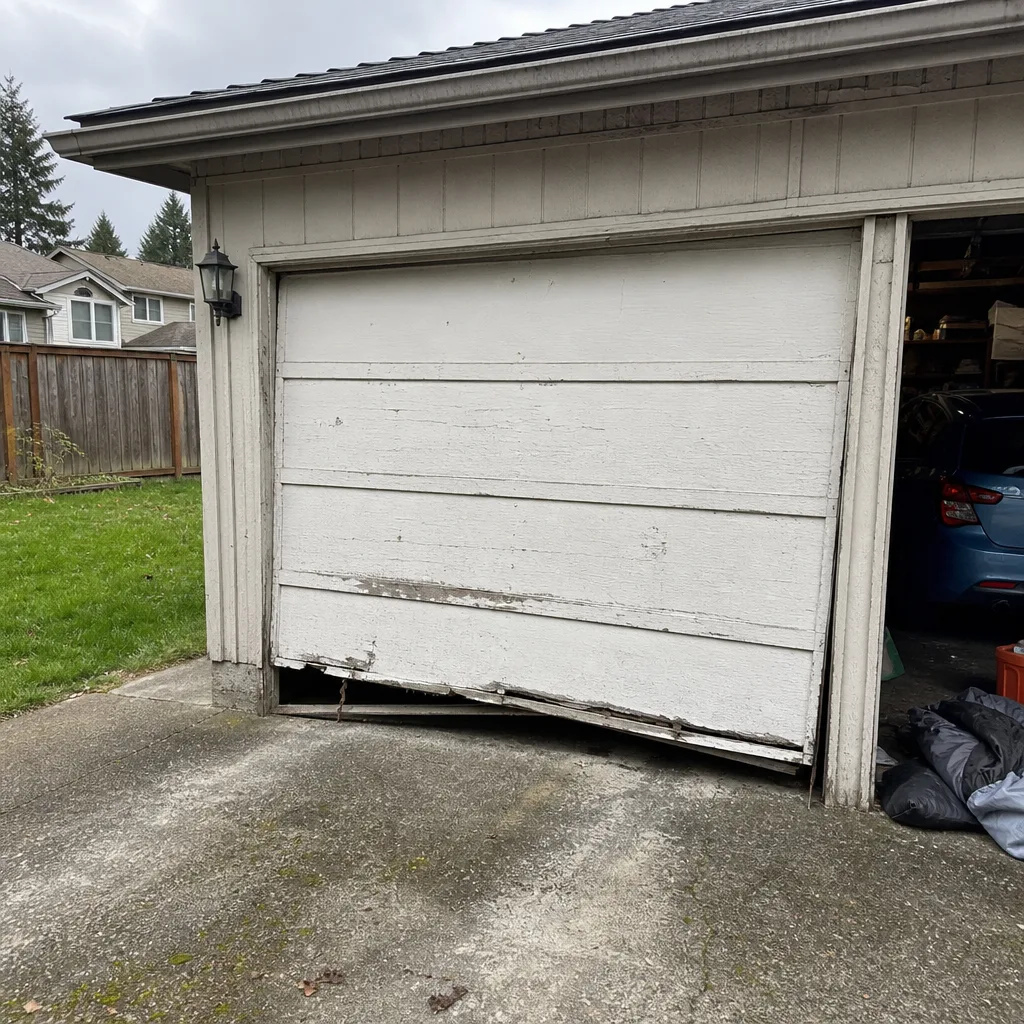 Before
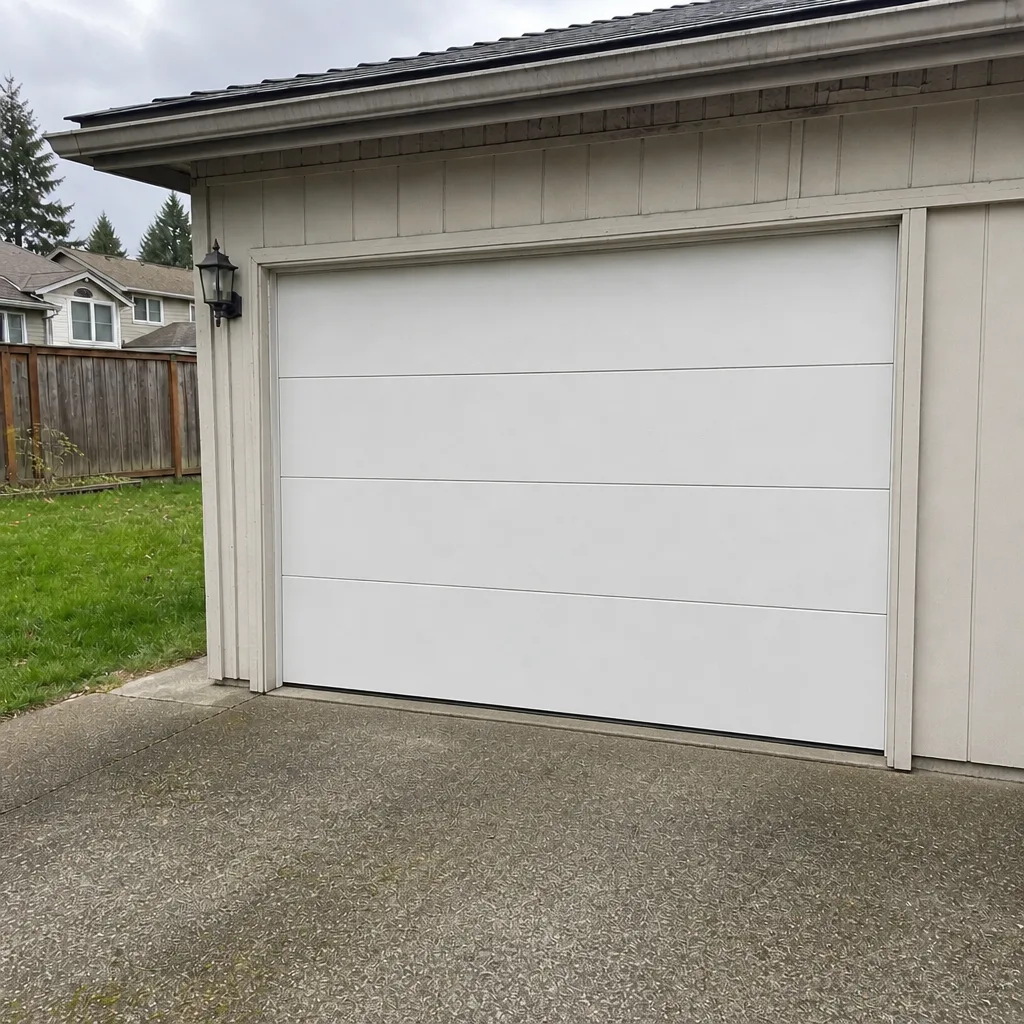 After
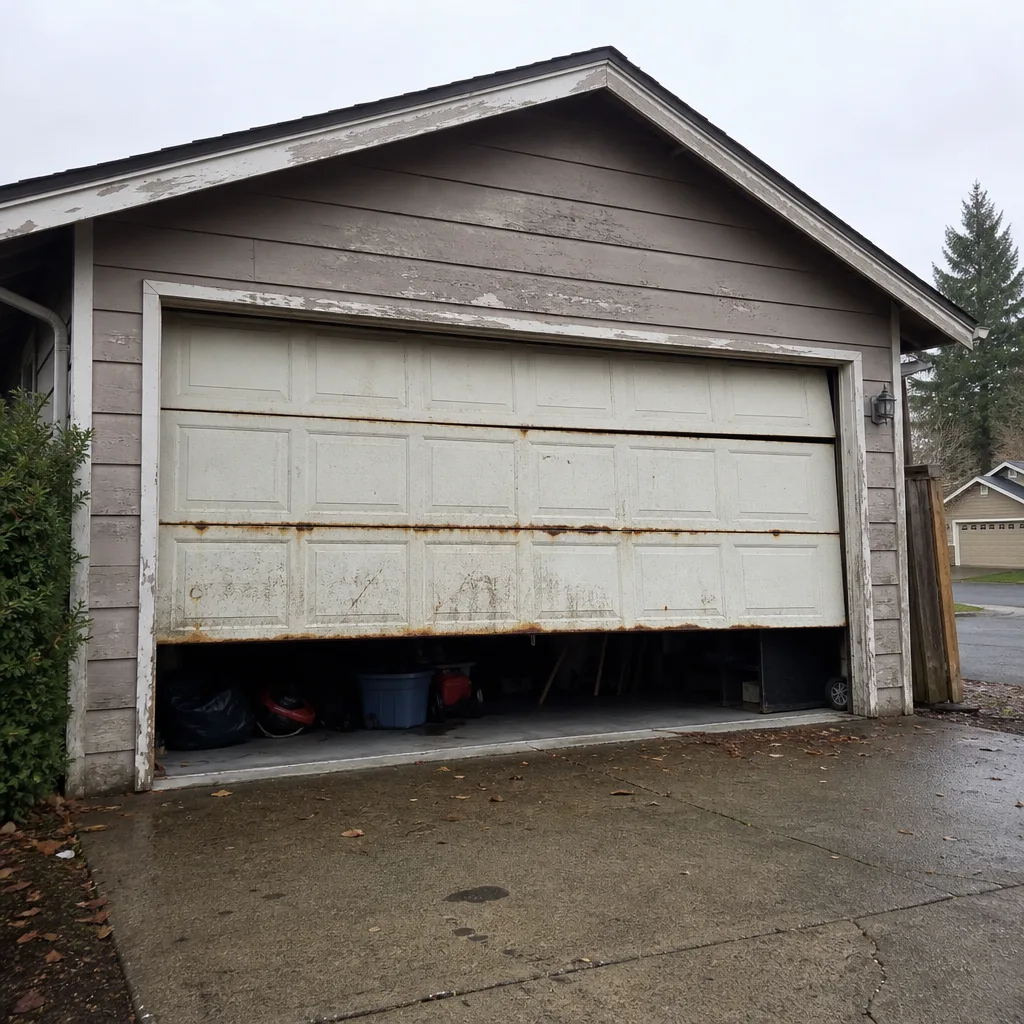 Before
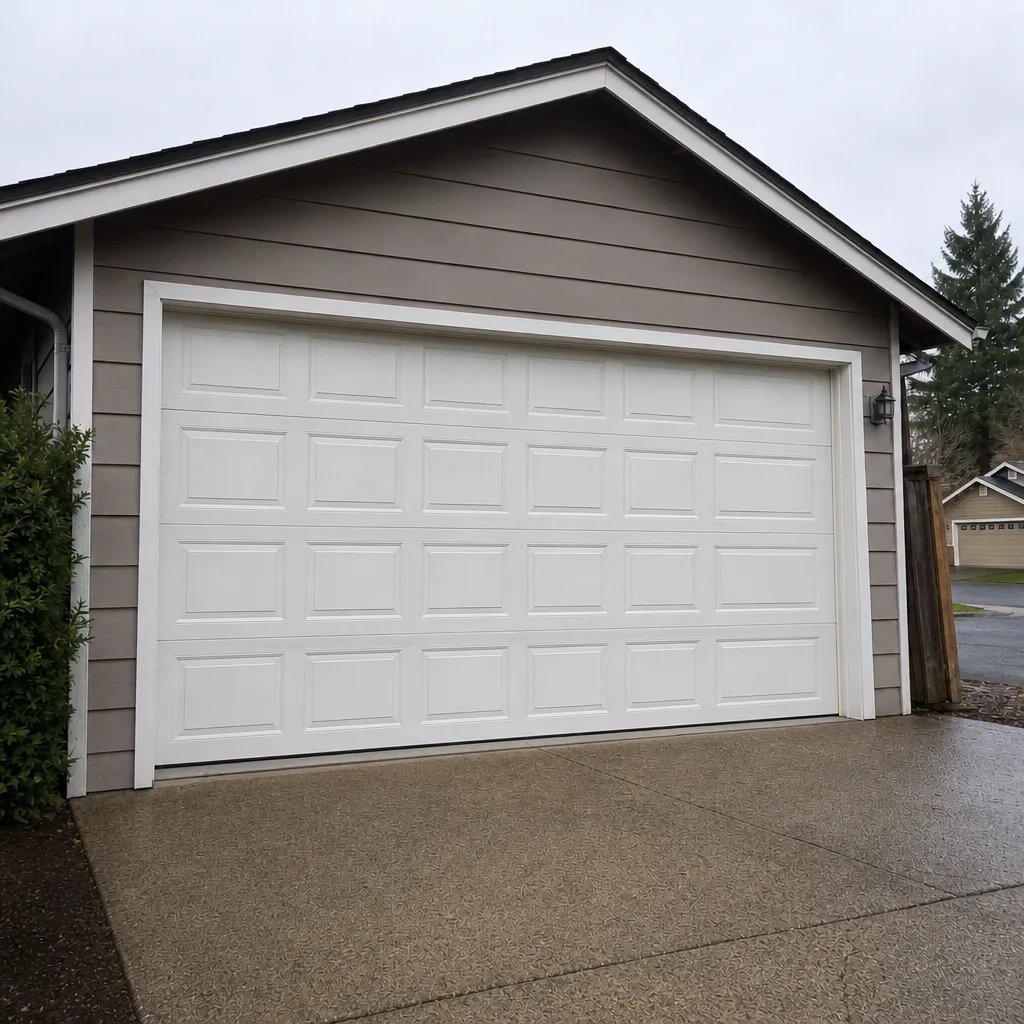 After
When to Call a Professional
Call a professional for anything in the “stop using the door” list: a visible spring gap, a slack or snapped cable, a door that drops hard during the hand pressure test, a misaligned door, a bent track, a roller that’s off, an opener that hums without moving the door, or any door that won’t stay closed or opens on its own. Call for the “schedule this week” items too, especially if two or more are present, because a couple of small signs together usually means a mechanical system heading toward a single failure. The safe default is: if you’re not sure, call and describe what you’re hearing, seeing, and feeling. We can tell you whether to park the door or keep using it. Garage Door Repair South Hill offers free estimates in South Hill. Call (844) 443-4774. We answer 24/7. Fast dispatch from 7am to 7pm, Sunday through Friday.
Frequently Asked Questions
The most reliable early signs are a door that drifts down slowly during the hand pressure test, popping sounds during travel, visible rust on the spring coils, and an opener that sounds labored. A visible gap in the spring coil means it has already broken. Stop using the door and call (844) 443-4774 for an inspection. Estimates are free.
Grinding under load is a mechanical stress signal, not ordinary wear, and it’s usually worth parking the door and calling today. It often points to a seized roller bearing, a bent track, or a worn torsion tube. The dangerous part is continuing to run the door, which turns a small repair into a larger one. Call (844) 443-4774 and describe the sound.
It usually means the opener’s travel limits have drifted, or the logic board is misreading the door’s position. It’s worth a scheduled visit within the week. The behavior strains the door’s mechanical parts and the opener itself. Call (844) 443-4774 for an exact quote; estimates are free.
They can, particularly on doors that face a shaded side of a home or back onto landscaping. The moisture sits on painted skin, hinges, and the bottom seal retainer, and the corrosion that reaches rollers or springs shortens their life. Checking the mechanical parts once a season, not just the visible door skin, is the useful habit in South Hill. If you find rust on the springs or rollers, call (844) 443-4774.
No. Garage door springs are under extreme tension and can cause serious injury if they release unexpectedly. Winding, unwinding, or removing a spring requires proper tools and training. Our garage door repair treats spring work as a specialty rather than a routine part of the job. Call (844) 443-4774 for a free estimate.
The written estimate sets the price, quoted and agreed before any work starts. You’ll know the scope of the repair and the price before we begin. Call (844) 443-4774 for an exact quote; estimates are free.
The Bottom Line
Most garage door failures leak their warnings for weeks before the door stops opening. Sort what you’re hearing and seeing into two buckets: cosmetic aging to watch, and mechanical stress to act on. Light squawks, surface rust, and a slow-drifting door during the hand pressure test get a scheduled visit. Popping, grinding under load, a cable twang, a visible spring gap, a misaligned door, or an opener that hums without moving get the door parked and a call made today. South Hill’s wet stretches make a seasonal check of rollers, hinges, and springs a good habit. The two-minute hand pressure test is the most useful thing a homeowner can do. Most doors don’t need replacement; they need the failing part identified and handled. And if you’re not sure which bucket your door belongs in, call and describe it. We answer 24/7. Fast dispatch from 7am to 7pm, Sunday through Friday. Call (844) 443-4774 for a free estimate.
Written by the team at Garage Door Repair South Hill.