
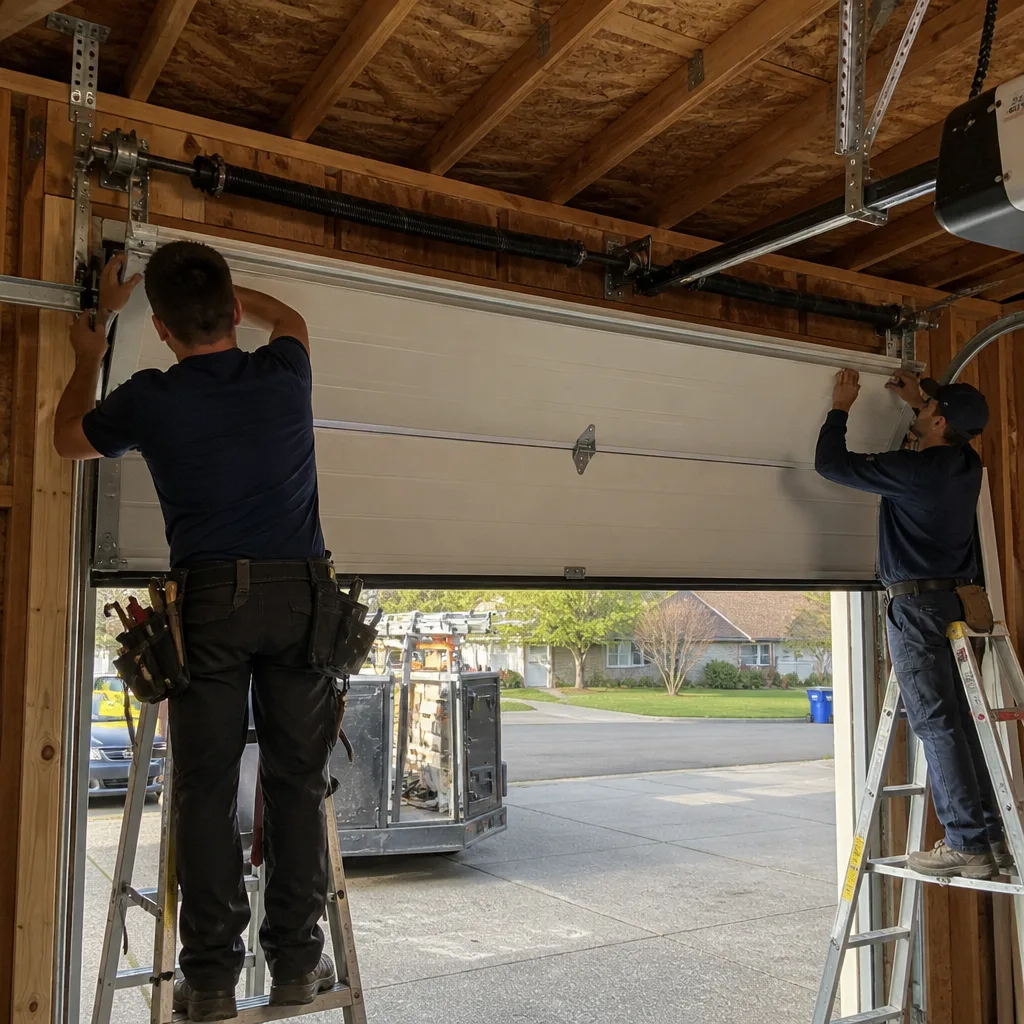
Last updated November 22, 2026
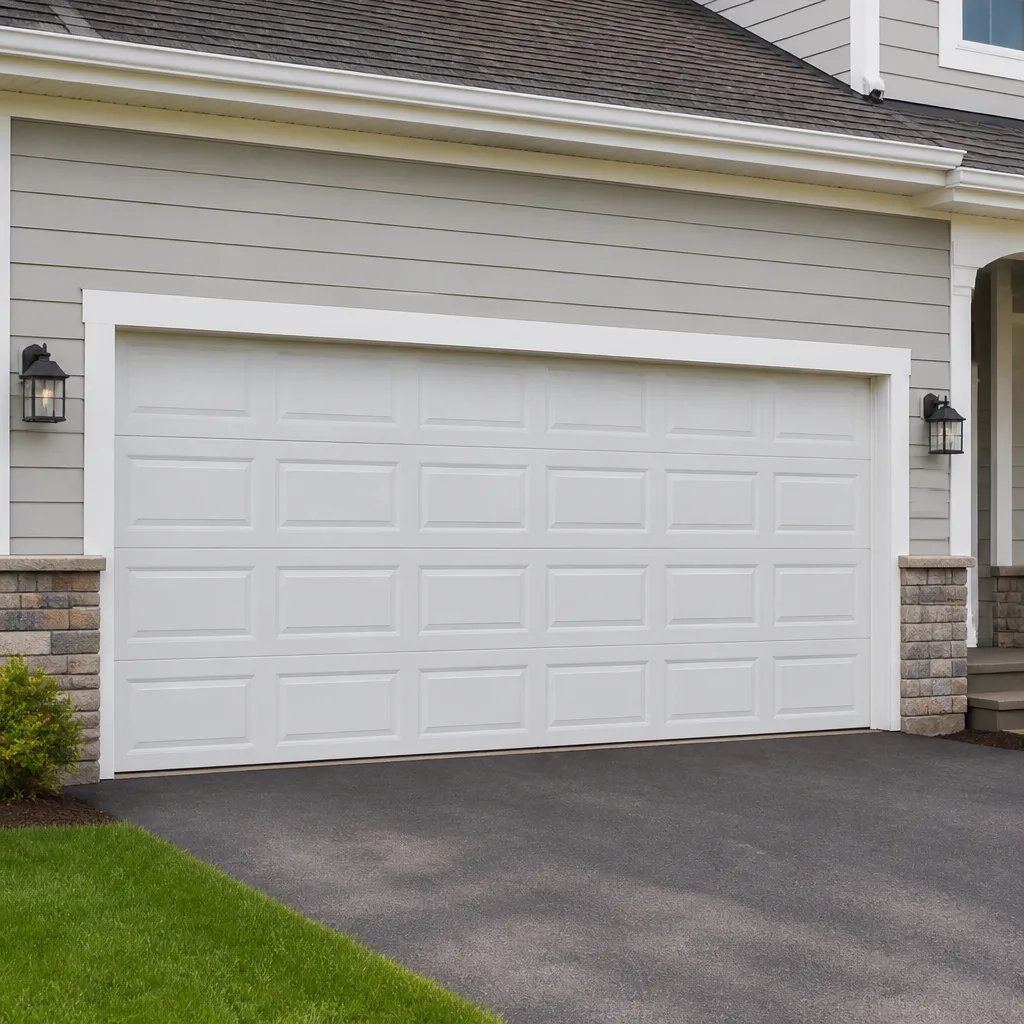 Raised-panel steel
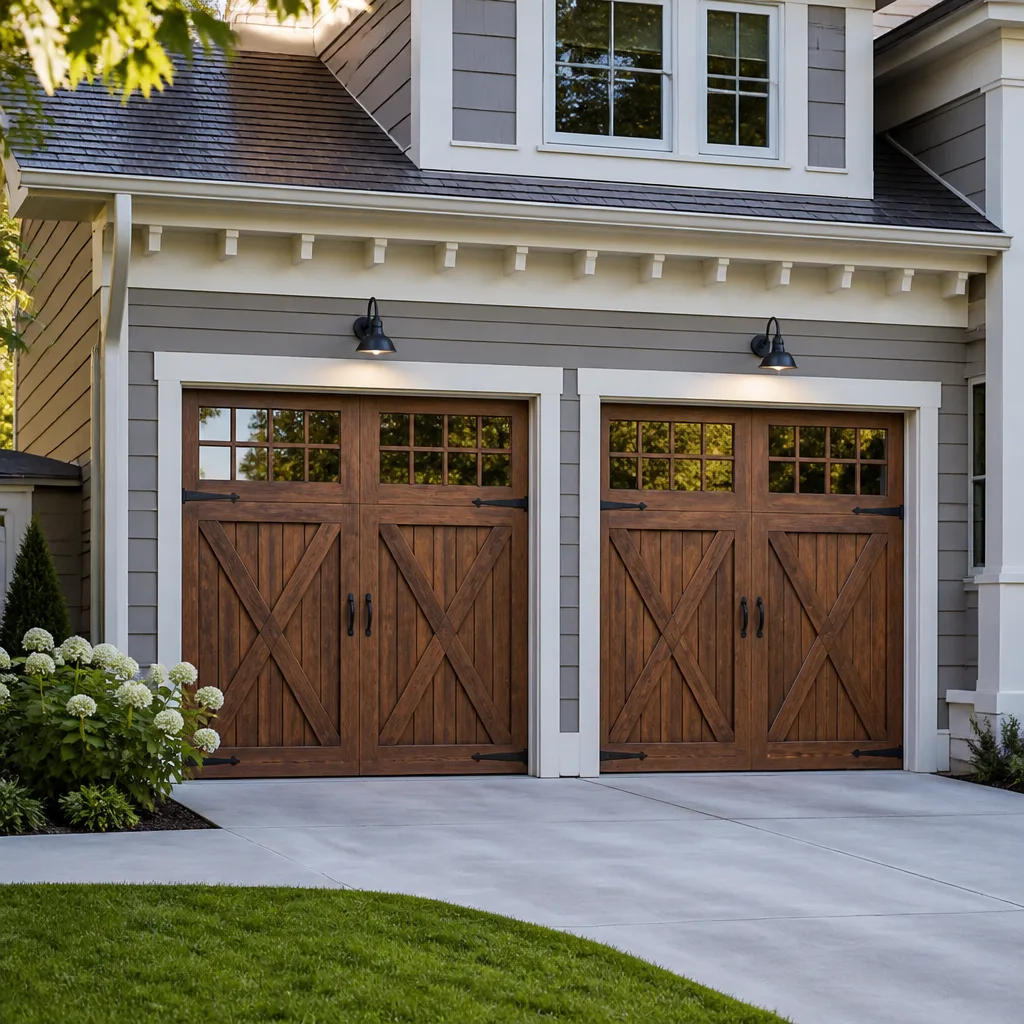 Carriage house
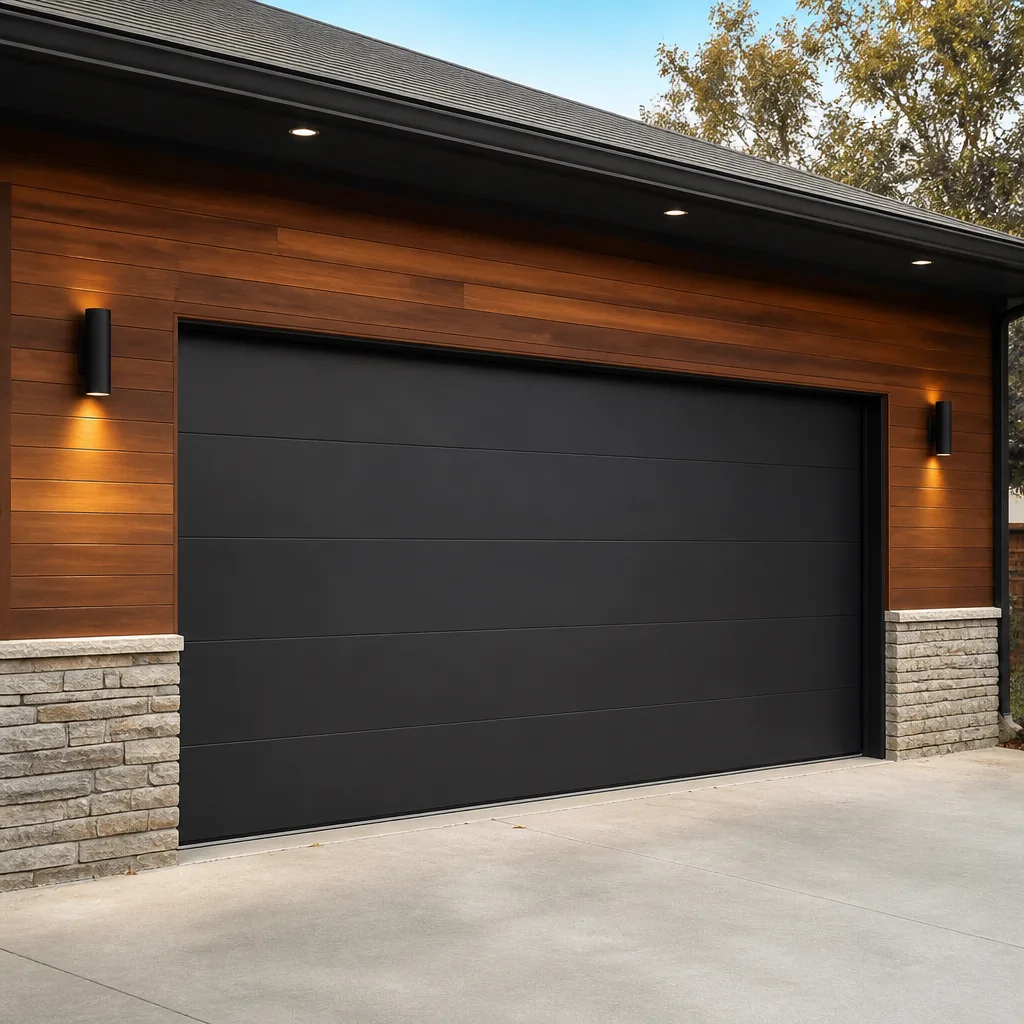 Modern flush
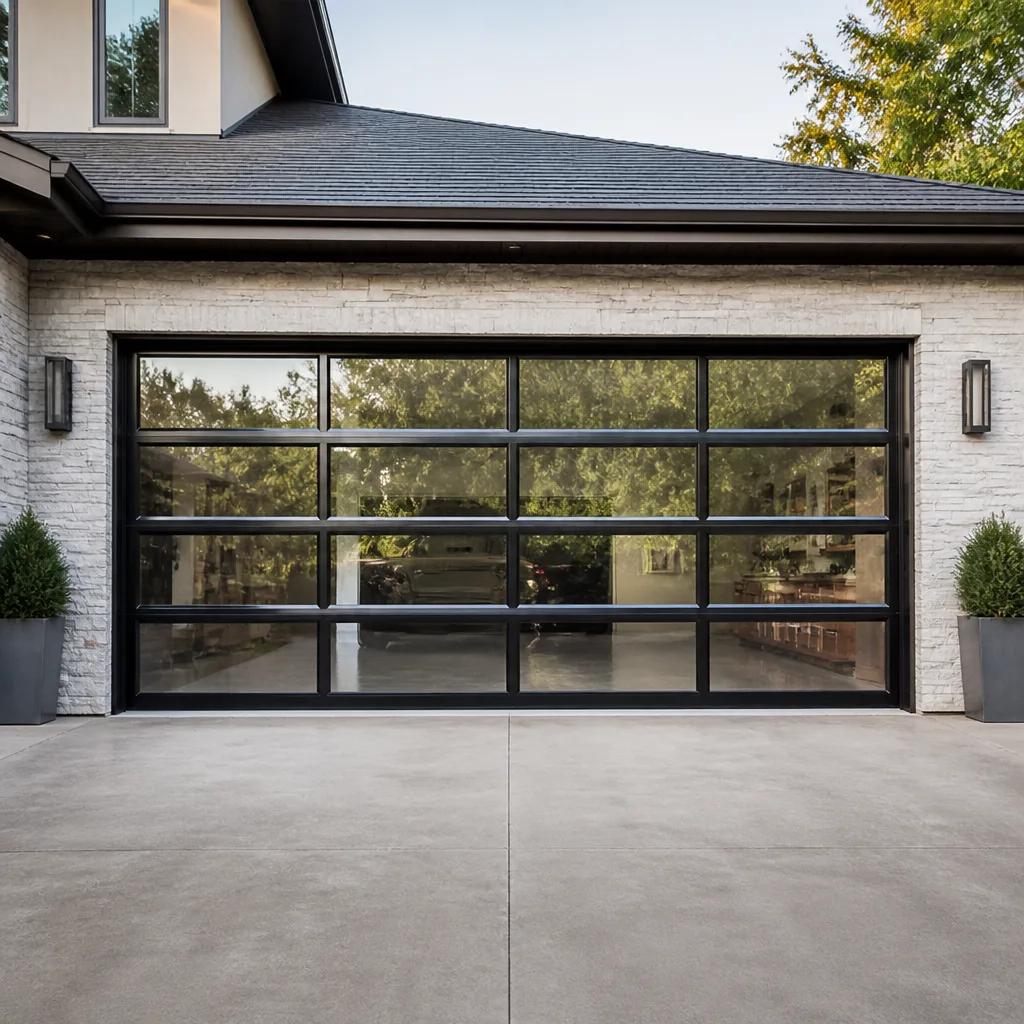 Full-view glass
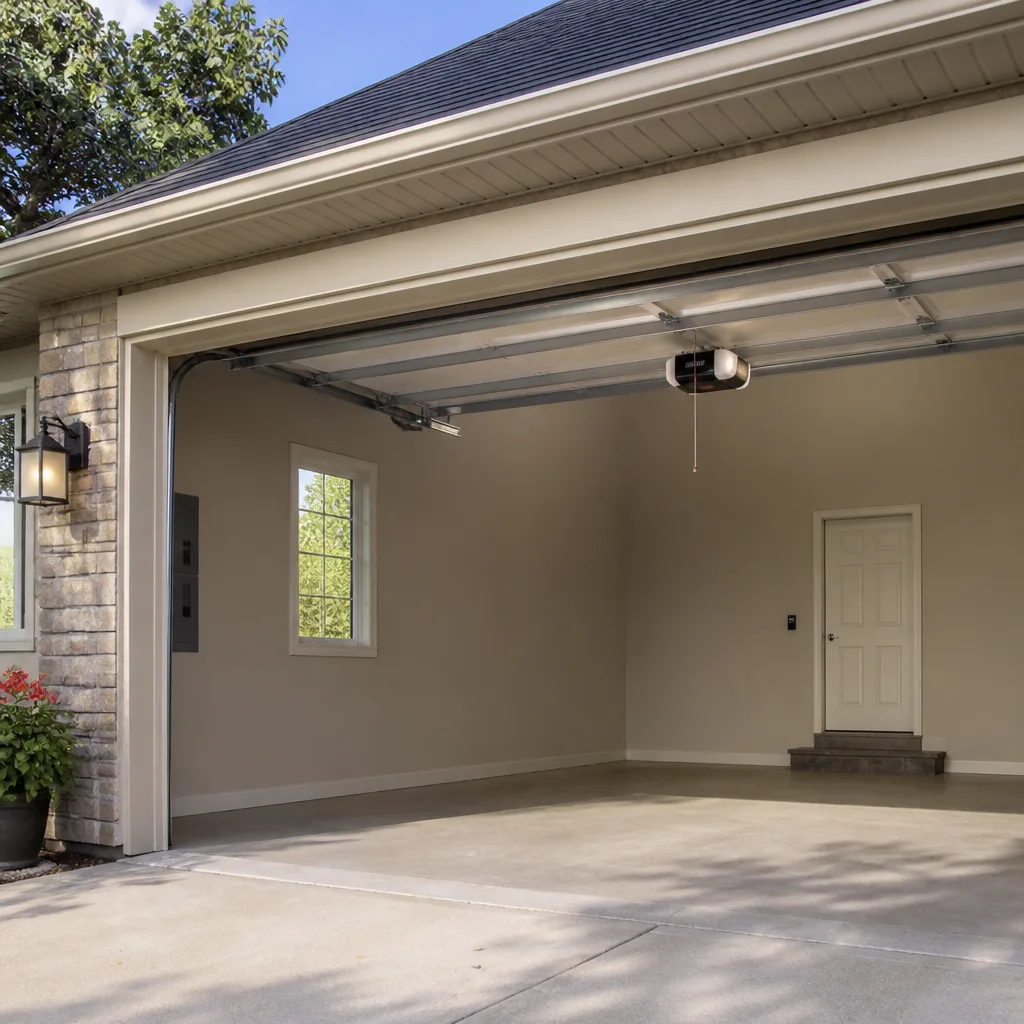 LiftMaster openers
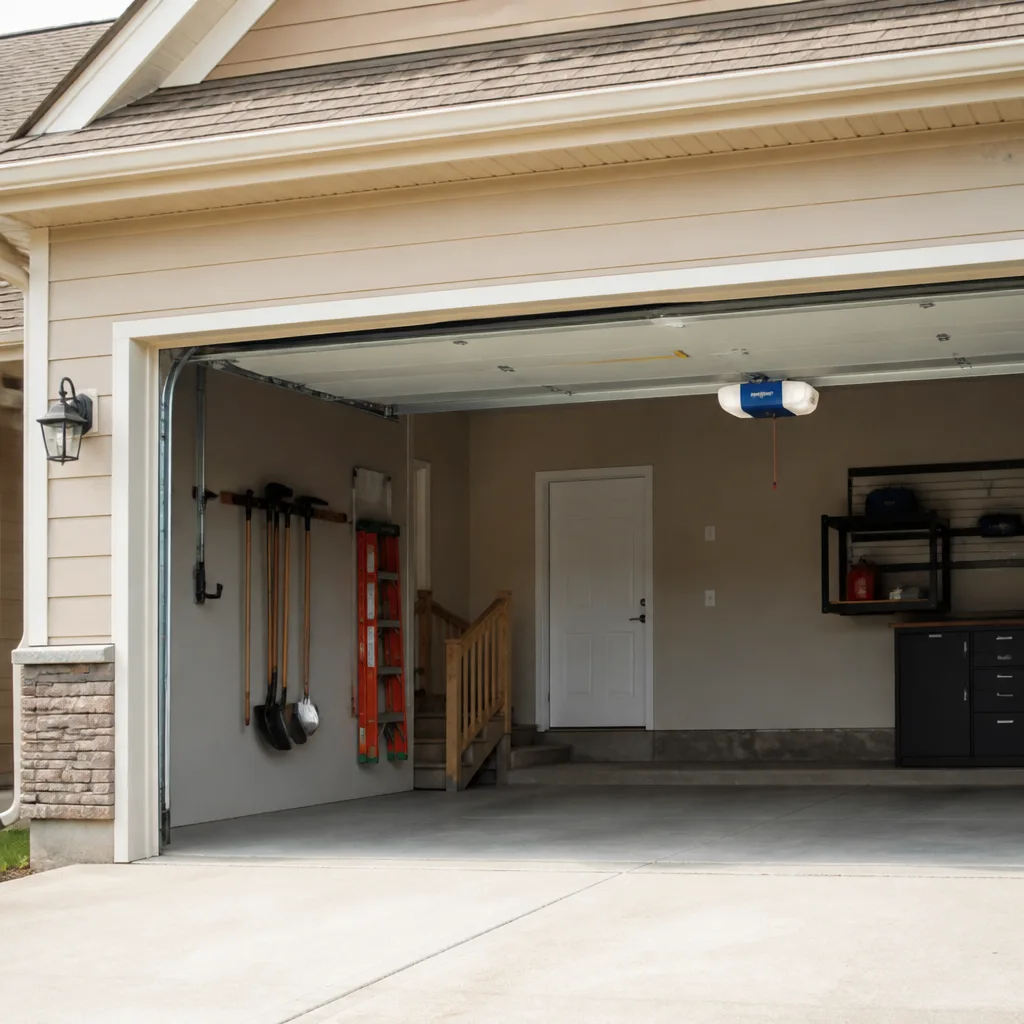 Chamberlain openers
Full 25-point door and opener safety check with every visit - springs, cables, rollers, tracks, and your LiftMaster or Chamberlain opener included
You get a price before we start. It does not change when the pro arrives.
Get your free estimateThe Complete Guide to Garage Doors in South Hill
Most garage door advice you’ll find online was written for a climate that doesn’t exist here. Guides built around desert heat or Southern humidity tell you to worry about sun-faded paint and hurricane bracing, then skip the two things that actually wear out a door in South Hill: months of wet weather and a temperature swing that can move 50 degrees between January and August. That gap matters, because a door that holds up beautifully in Phoenix can start failing within a few years around South Hill. This guide covers what the national articles leave out. You’ll learn which materials survive our moisture, why your clay-heavy soil affects something as small as a bottom seal, which opener drive types hold up to the cold, and the order in which parts on a typical South Hill door tend to give out. We’ll also walk through how to check county records before you buy a home, and we’ll give you the safety rules that keep spring work off your weekend to-do list.
Quick Answer
A South Hill homeowner should choose a galvanized or powder-coated steel door for the wet climate, pair it with a belt-drive opener if the garage sits under bedrooms and a chain-drive if it does not, and expect the springs to be the first component to wear out, followed by the bottom seal and then the rollers. Because South Hill gets substantial rain and wide seasonal temperature swings, seals and hardware degrade faster here than in drier markets, so annual inspection matters more than most guides suggest.
Styles & brands we work with
- Raised-panel steel
- Carriage house
- Modern flush
- Full-view glass
- LiftMaster openers
- Chamberlain openers
Table of Contents
- Why South Hill’s Climate Rewrites the Standard Garage Door Advice
- Door Materials That Survive Pacific Northwest Moisture
- Which Opener Drive Type Fits a South Hill Home
- Clay Soil, Frost, and Your Bottom Seal
- What Breaks First, Second, and Third
- Checking Pierce County Records Before You Buy
- Repair or Replace? A Decision Framework
- Safety: The Jobs You Should Never Do Yourself
Why South Hill’s Climate Rewrites the Standard Garage Door Advice
South Hill sits in a part of Washington where the wet season runs long and the dry season runs hot, and that combination is hard on a garage door in ways that generic guides rarely explain. During the damp months, moisture settles on steel, works into wood grain, and softens the rubber and vinyl seals that keep wind and water out of the garage. During the warm months, the door’s metal panels expand and the tracks can shift slightly, which is why a door that ran quietly all winter sometimes starts to scrape or rattle by late summer. The 50-degree swing between a cold January and a warm August is the part most homeowners underestimate. Metal, springs, and opener components all expand and contract at different rates, and that movement is what accelerates wear over a season.
Our technicians have up to 11 years of experience working in this climate, and the pattern is consistent: doors in South Hill need adjustments and seal work more often than the manufacturer’s general maintenance schedule suggests. Where a national guide might tell you to lubricate twice a year, a door in South Hill benefits from more frequent attention to the moving parts during the wet season, and a check on panel alignment when the weather turns warm. It’s not that the doors are poorly made. It’s that the local conditions stress them harder and faster.
Understanding this changes how you maintain a door. Instead of treating the garage door as a fixed object that only needs attention when it breaks, treat it as hardware that responds to the seasons. A quick visual walk-around in fall, before the wet months, catches loose hardware and worn seals before they turn into water damage. A springtime check after the last cold snap catches alignment issues from the winter’s expansion and contraction. Call garage door repair South Hill if you notice the door acting differently than it did the season before.
Door Materials That Survive Pacific Northwest Moisture
The single biggest mistake in door selection here is choosing for appearance and ignoring moisture. A garage door in South Hill faces damp air for months, and materials that tolerate dry climates can fail in under five years when exposed to sustained humidity. The good news is that the right materials are well understood and widely available, so you don’t need a specialty product. You need to know what holds up and what doesn’t.
What holds up
- Galvanized steel: The workhorse choice. The zinc coating resists rust, and a factory powder coat adds a second layer of protection. Gauge matters: a heavier-gauge steel panel resists dents and holds its shape as it expands and contracts. Steel is the most common residential door material for good reason.
- Wood composite and engineered wood: These mimic the look of real wood without the moisture problems. They’re built from materials that don’t absorb water the way solid timber does, so they hold their finish longer in our wet climate.
- Insulated steel with a thermal break: For garages attached to the house, insulation matters for temperature control on both sides of the wall, and a thermal break reduces condensation on the interior panel during the cold, damp months.
What struggles here
- Real wood without a modern seal system: Solid wood is beautiful and it can work, but it needs disciplined finishing. Left unpainted or with a worn finish, wood grain absorbs moisture, swells, and shows it fast in this climate.
- Bare or thin-coated steel: A steel door with a cheap finish might look fine for a year and then show rust at the bottom edge, where water pools and splashes.
Amarr and Clopay both build steel and composite lines that suit this climate well, and the brand-specific construction matters more than any single feature. We work on the brand you already have, and we can walk you through which options fit your home when it’s time to replace.
Which Opener Drive Type Fits a South Hill Home
Opener choice here comes down to two things: where the garage sits relative to the living space, and how the door will behave through a cold winter and a hot summer. The drive type determines how the opener sounds and how it handles temperature swings, and the choice is different for an attached garage under a bedroom than for a detached shop.
Belt drive
The quietest option, and the usual pick when a garage sits directly beneath bedrooms or a living area. A reinforced rubber belt runs the trolley with less noise and vibration than a metal chain. In South Hill’s temperature swings, a belt handles cold starts well, though the rubber should be inspected as it ages.
Chain drive
The traditional, durable choice, and a fine pick for detached garages or homes where noise isn’t a concern. A chain drive is built to take a beating and tends to last. It’s louder, and the chain needs periodic lubrication, especially during the damp months.
Screw drive
A single-piece steel screw moves the trolley with fewer moving parts than a chain, which can mean less maintenance. It runs quieter than a chain but louder than a belt. It’s a reasonable middle option, though it’s less common in the installed base than the other two.
Matching the opener to the door and the season
Temperature swings place a particular demand on the opener motor and the door balance. If the door’s springs are already near the end of their life, a new opener can mask a balance problem, and it can also fail to lift a door that has stiffened in the cold. That’s why we diagnose by brand, not by assumption: a LiftMaster, Genie, Chamberlain, or Craftsman unit each has its own logic and common failure points. When it comes to repairs rather than replacement, garage door opener repair starts with confirming the door is balanced before blaming the motor.
Clay Soil, Frost, and Your Bottom Seal
South Hill’s clay-heavy soil holds water and moves with the seasons, and that has a direct effect on the part of your garage you probably never think about: the bottom seal and the concrete floor at the door threshold. When the ground is saturated, water finds the lowest point, and the garage apron and threshold are usually it. Clay soil also expands when wet and shrinks when dry, and that movement can crack or heave the concrete slab just outside the door. Once that slab shifts, a gap opens that the door’s bottom weatherstrip wasn’t designed to seal, and water gets in.
Frost depth matters too. During a cold snap, the ground can freeze deep enough to move the soil and the slab, even around an attached garage. That movement can twist the threshold out of level, and a door that sealed well in summer can leave a visible gap at one corner by January. The bottom seal is the part that takes the first hit. Over time, the rubber flattens, hardens in the cold, and starts to tear where it meets the concrete. A seal that lasts several years in a dry climate can need attention sooner here because it’s constantly working against moisture and shifting ground.
What to check each season
- Look along the bottom of the closed door for daylight and water stains on the floor.
- Run a hand along the seal to check for stiffness, tearing, or gaps.
- Check the concrete apron just outside the door for new cracks or a sloped or heaved edge.
- Confirm the door closes fully and evenly, with no gap on one side that suggests a shifted slab or a track out of alignment.
If you spot a persistent gap or water entry, that’s a sign to look at the seal, the slab, and the door’s threshold together, not just a single part.
What Breaks First, Second, and Third
Every door ages differently, but based on the repair calls that come up across South Hill, there’s a predictable order. Knowing it lets you plan and budget instead of reacting to a surprise. The order reflects how each part is loaded and how the climate wears on it.
- Springs first. A torsion spring cycles every time the door opens and closes, and it’s under constant tension. It’s the hardest-working part on the door and the most likely to fail first. This is a high-tension job that needs proper tools and training; it’s never a DIY repair.
- Bottom seal and weatherstripping second. As the clay soil and moisture work on the threshold, the bottom seal wears out. It’s a smaller job, but it’s easy to defer until water damage or draft becomes obvious.
- Rollers and hinges third. The rollers take a lot of cycles and, in a damp climate, can flatten or begin to seize. A door that starts to rumble or stutter on the way up often needs roller attention, not a new opener.
Openers usually arrive after these, either as a genuine failure or as a consequence of the door getting heavier as parts stiffen. Cables, tracks, and panel damage tend to show up later and often follow a missed repair earlier in the chain. Our technicians have up to 11 years of experience, and spotting the next worn part before it fails is a large part of an inspection.
Checking Pierce County Records Before You Buy
If you’re buying a home in South Hill and the garage door looks original or questionable, the county building records can tell you a lot. Records help you confirm whether the door and opener were permitted and whether the installation matched the current code’s load and safety requirements. This is one area where a little homework before closing saves a lot of calls later.
How to cross-reference the records
- Ask your agent or the seller for the property’s permit history and any garage-related permits tied to the address.
- Contact the Pierce County building department to request permit records for the property and confirm what was permitted and when.
- Check whether the door installation was permitted as part of the original build or a later remodel, and whether the opener was addressed in the record.
- Compare the permitted door and opener to what’s physically installed, and note any mismatch.
- Ask whether the current door meets the load and safety requirements applying to that installation; the building department is the authority on what’s current.
A permitted installation isn’t a guarantee everything’s fine today, but it tells you the door wasn’t a hurried retrofit. If records are thin or missing, that’s not a reason to walk away, but it is a reason to have the door inspected before you count on it.
Repair or Replace? A Decision Framework
The question of whether to repair or replace comes down to age, the number of failing systems, and safety. A door that’s had a single spring fail on an otherwise solid setup is a repair. A door that’s failing springs, seals, and rollers at once, or that’s showing rust through the panels, is a replacement conversation. Here’s a simple way to decide.
- One system failing: Repair. A single worn component on a sound door is a straightforward fix.
- Two or more systems failing together: Weigh the cost of individual repairs against a new door. Both are legitimate, but a new installation offers reliability and a fresh warranty.
- Panel damage or rust through: Replace. Patching structural damage often costs more and creates a mismatch.
- Safety concerns: Replace. If the door has a safety issue that can’t be resolved, a new door is the right call.
One call covers repair, opener, springs, or a full new installation, so you don’t need to piece together estimates from different contractors. If the door is repairable, we’ll tell you. If replacement makes more sense, we’ll lay out the options so you can compare on facts. Replacement is measured and scheduled work, so expect a written price and a clear timeline rather than a same-day fix.
Safety: The Jobs You Should Never Do Yourself
Garage door springs are under extreme tension, and the repair is not a DIY job. A torsion spring can hold hundreds of pounds of force even on a residential door, and releasing or adjusting it without the right tools and training can cause serious injury. The same applies to the door’s cables and to any electrical work on the opener or the wall controls. These components exist to make the door safe to operate, and mishandling them is how a routine failure becomes a dangerous one.
That’s why we treat spring work as a specialty rather than a general repair. When a spring snaps, the door becomes unusable and, in many setups, unsafe to force. A malfunctioning door also creates a security issue if it’s a primary entry point or a shop entrance. We handle high-tension work with the right equipment and training, and we’d rather you call than attempt it. The same applies to openers: wiring a new unit to a home’s electrical system or adjusting the force and travel settings isn’t a place to learn by trial and error.
If you’re ever unsure whether a fix is safe to do yourself, the answer is almost always to leave it. Our technicians have up to 11 years of experience, and we can diagnose the problem safely rather than guess. For urgent situations, emergency garage door service is available.
Common Mistakes to Avoid
- Choosing wood doors with a cheap finish in a wet climate. The first year looks fine; the swelling shows up later. If you choose wood, commit to the finish schedule.
- Replacing the opener when the door is the problem. A stiff, unbalanced door can mimic opener failure. Diagnose the door first.
- Ignoring a worn bottom seal. It’s a small part with an outsized job, and it’s the first line of defense against water. Replace it before the water wins.
- Attempting spring or cable repairs. This is the most dangerous mistake on the list. These parts are under tension and require training and tools.
- Skipping records before a purchase. A mismatched door or a missing permit is a cost you can see before closing if you check.
- Choosing an opener for price alone. Belt, chain, and screw drives fit different garage situations. The wrong drive brings noise or maintenance problems.
- Waiting until something breaks. In South Hill’s climate, an annual inspection catches problems while they’re still small and cheap to fix.
See the difference
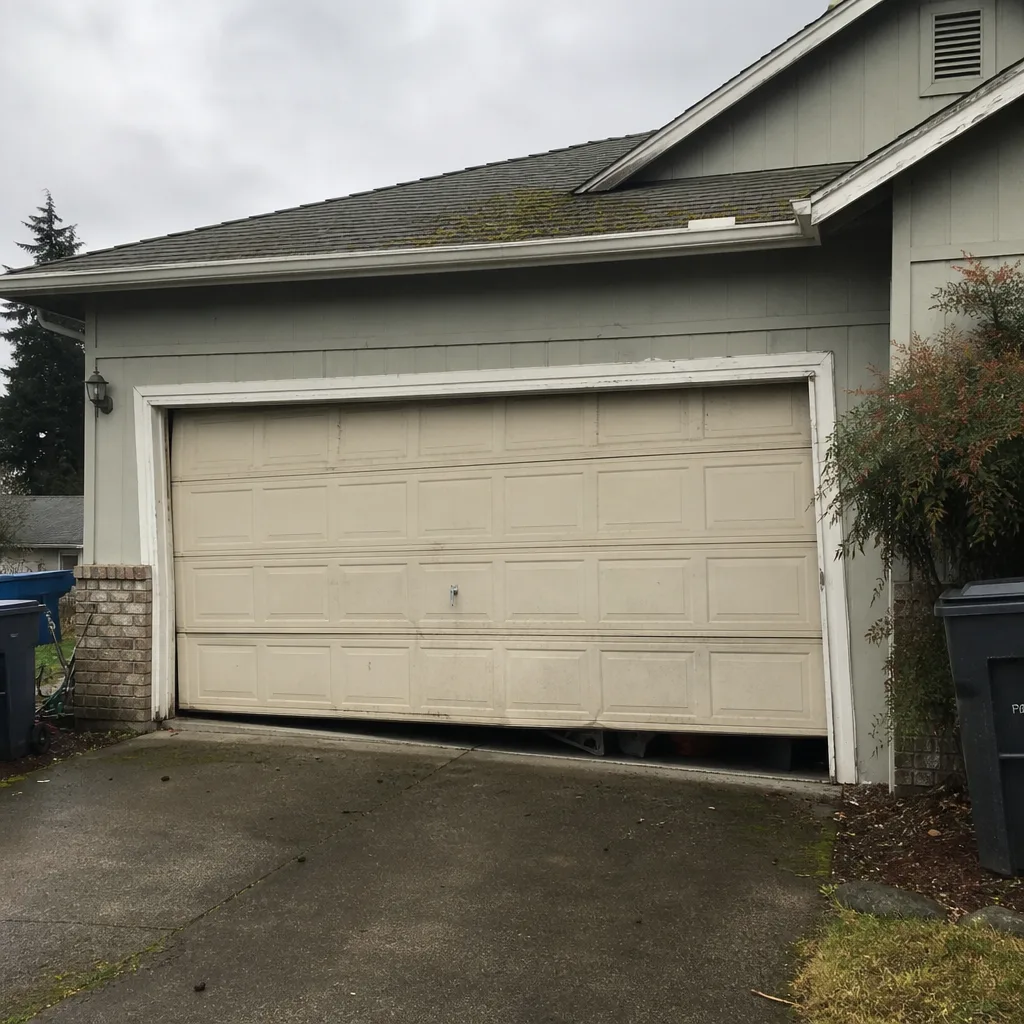 Before
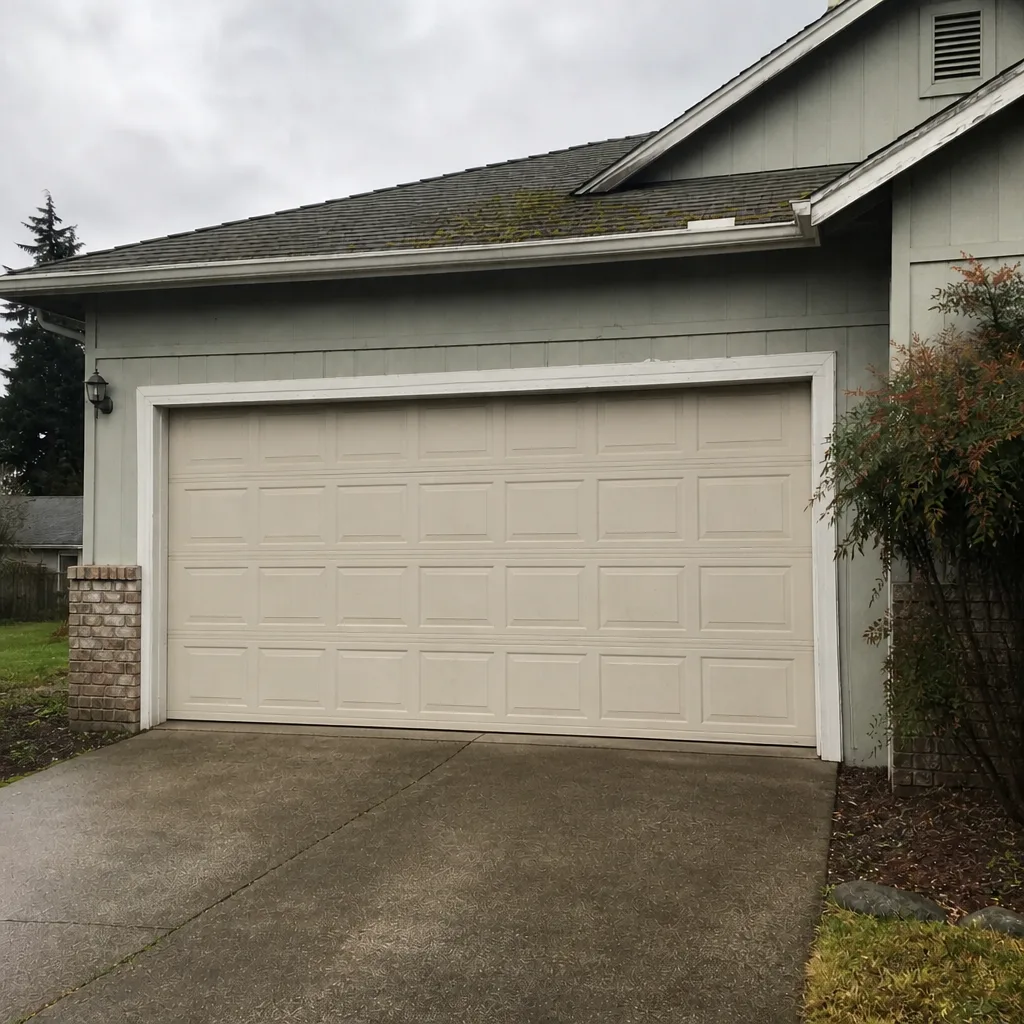 After
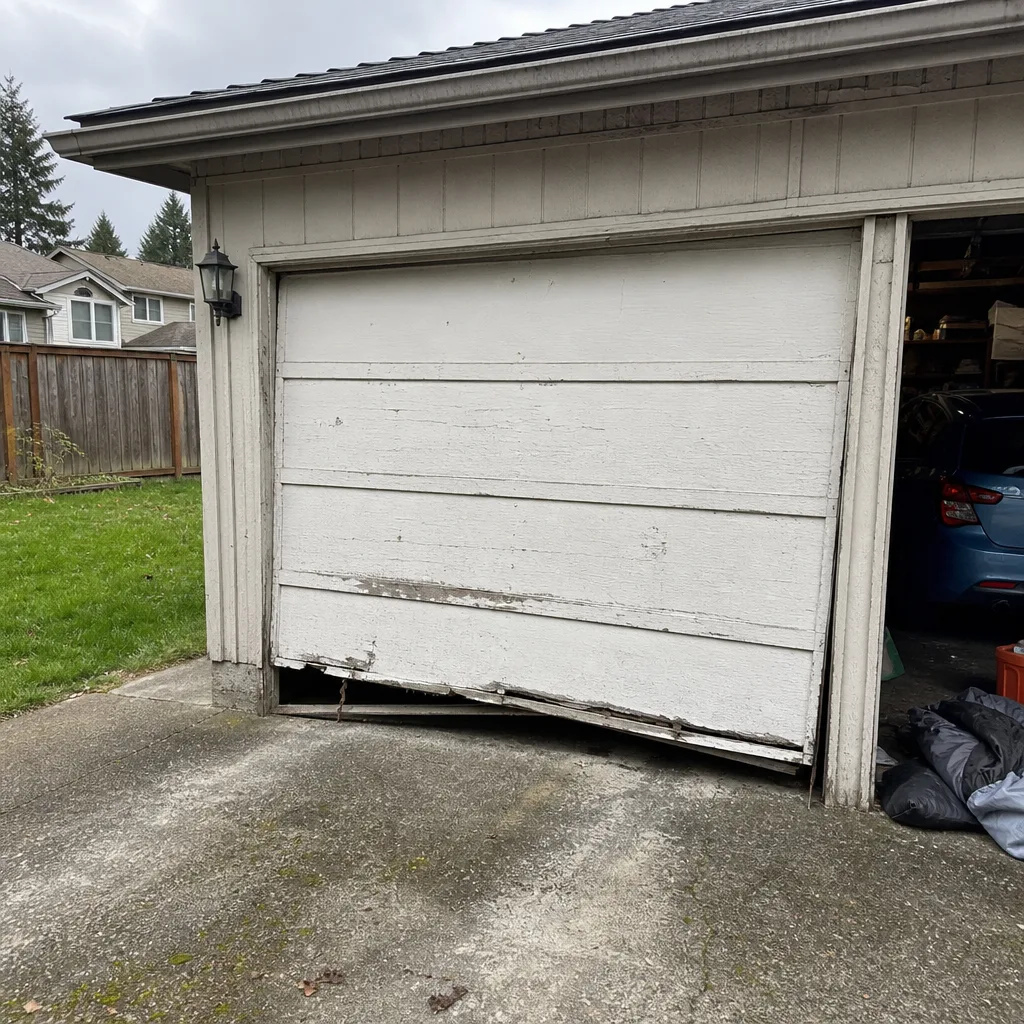 Before
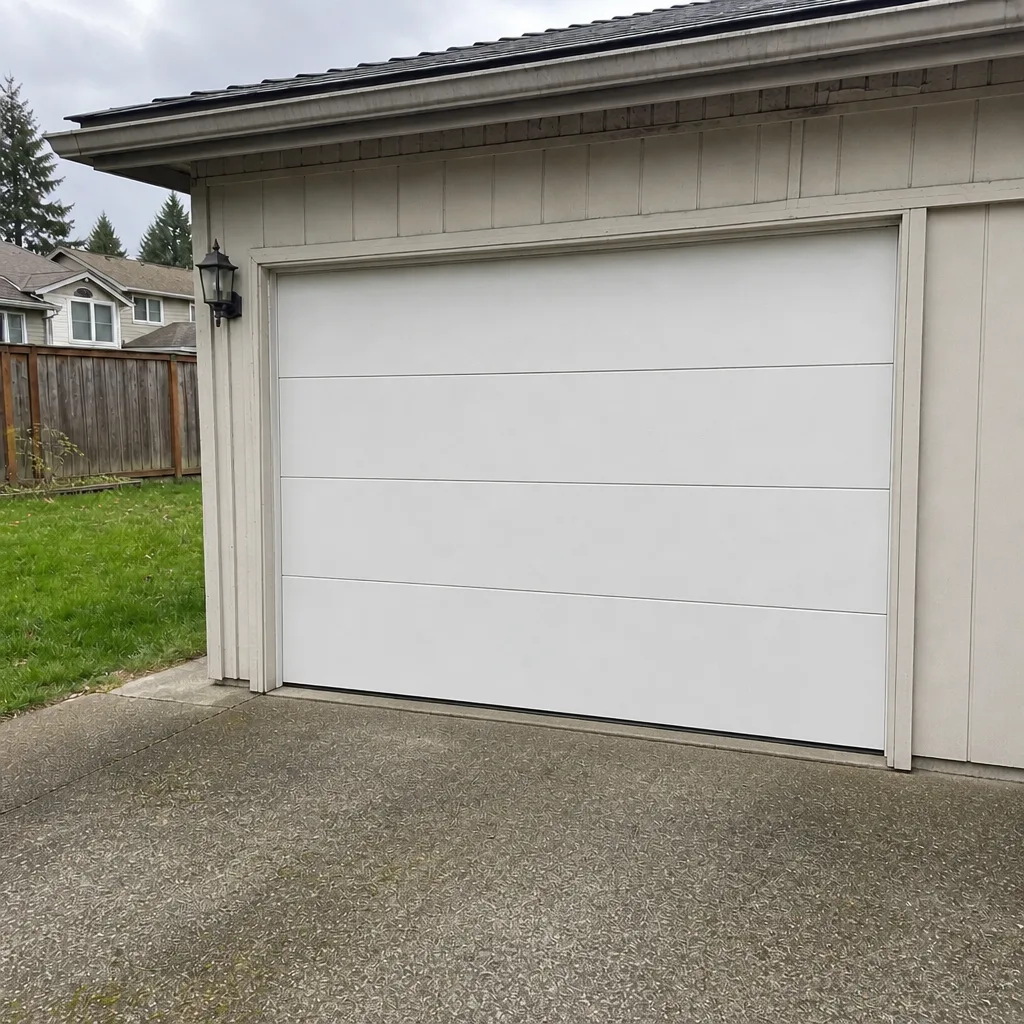 After
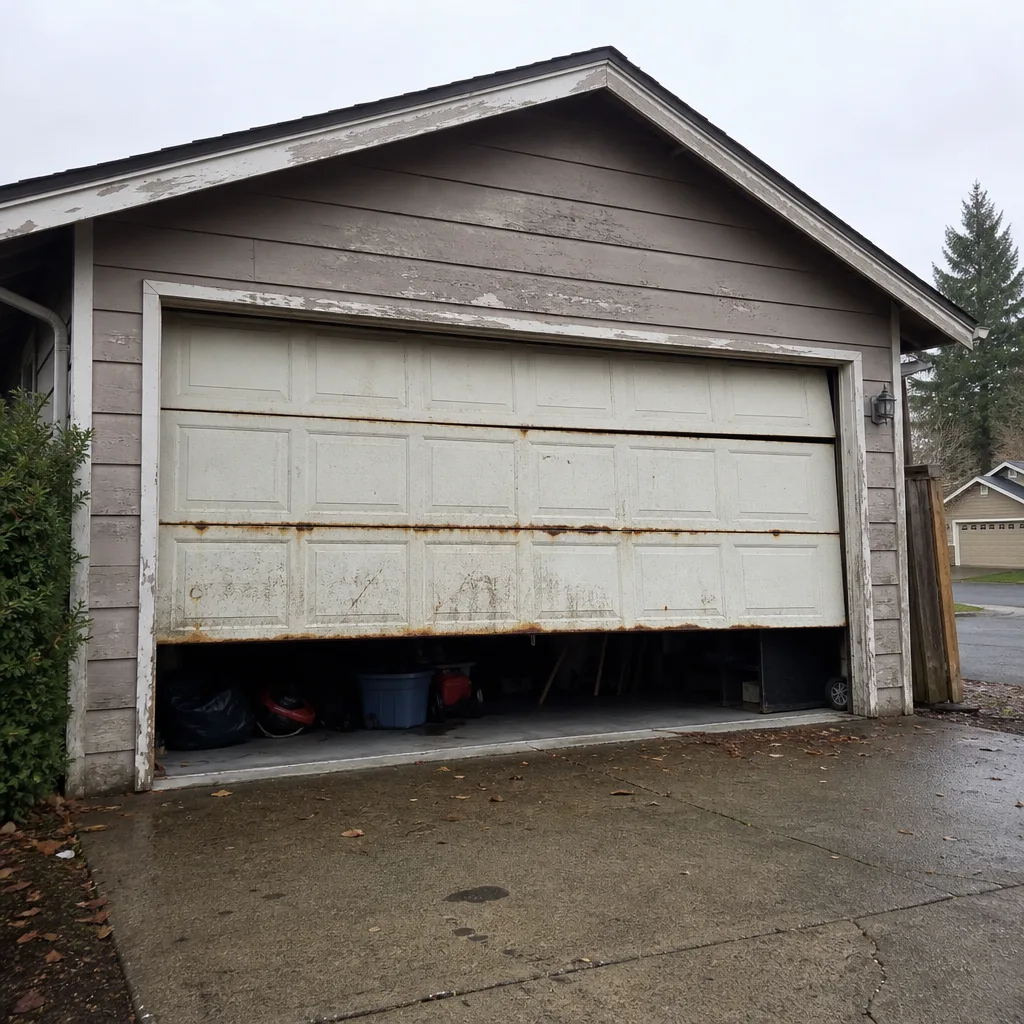 Before
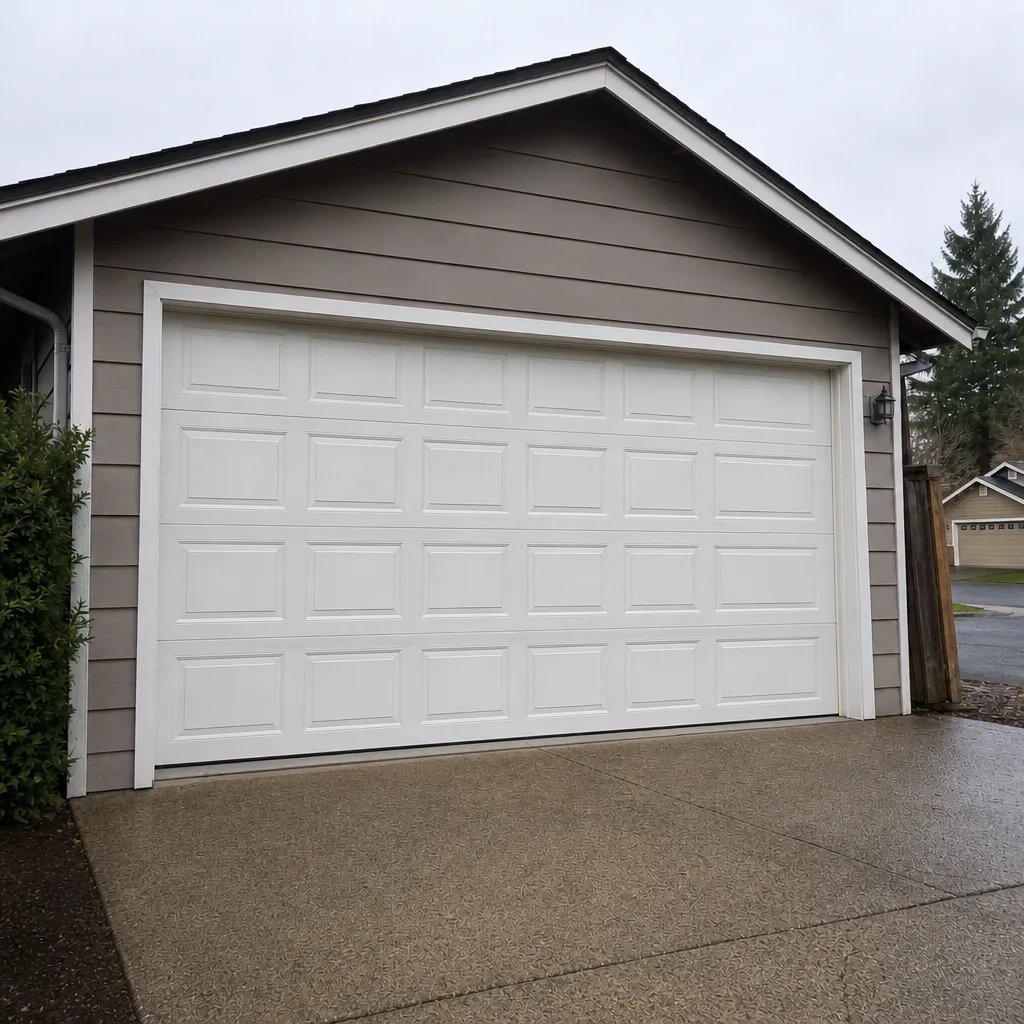 After
When to Call a Professional
Call a professional when the door won’t open or close cleanly, when you hear a loud snap from the spring area, or when the door looks off-balance and binding on one side. Call when the opener reverses for no reason or the lights blink in a pattern you don’t recognize. Call when water is getting into the garage along the bottom seal, when the door is unsafe to force, or when it’s your main entry and security matters. If you’re buying a home and the door’s history is unclear, that’s a call too. Garage Door Repair South Hill offers free estimates in South Hill. Call (844) 443-4774 and we’ll quote and agree the price before any work starts.
Frequently Asked Questions
Spring life depends on how often the door cycles, not the calendar. A spring is rated for a certain number of open-close cycles, so a door used as a daily main entry wears faster than a door used mostly for storage. In South Hill’s damp climate, springs also work against moisture and temperature swings, which is part of why they fail first. If your door has a spring that’s several years old and it suddenly feels heavy or won’t lift, that’s the signal to call us at (844) 443-4774. Estimates are free.
Galvanized steel with a factory powder coat holds up best. The zinc coating resists rust, the powder coat adds a second barrier, and steel holds its shape through expansion and contraction. Engineered wood composites are a good pick for a wood look without the moisture problems. Bare or thinly coated steel and unfinished real wood struggle here and can fail within a few years.
Belt drive for an attached garage under bedrooms because it’s the quietest. Chain drive for a detached garage because it’s durable and takes a beating. Screw drive as a middle option with fewer moving parts than a chain. The right pick depends on your garage layout and what the door weighs. We can look at the door and recommend a drive that fits.
Yes, it’s smart to check. Contact the Pierce County building department to request permit records for the address, confirm whether the door and opener were permitted, and ask whether the current installation meets the load and safety requirements that apply. If the records don’t match what’s installed, or the history is unclear, have the door inspected before you count on it.
No. The written estimate sets the final price. We quote and agree the cost before any work starts, so what you agree to is what you pay. We don’t believe a job should grow an invoice after the fact. Call (844) 443-4774 for a free estimate.
The local pro is licensed and insured as their state requires, and we connect you with a vetted professional. We answer 24/7. Fast dispatch from 7am to 7pm, Sunday through Friday. A call outside dispatch hours is booked into the next opening, Sunday through Friday, 7am to 7pm. Call (844) 443-4774 for an exact quote, and estimates are free.
The Bottom Line
South Hill’s combination of wet weather, clay soil, and wide temperature swings means a garage door here is a more active piece of hardware than a national guide suggests. Choose a galvanized steel or engineered composite door over unfinished wood, pick a belt drive for a garage under bedrooms and a chain drive for a detached garage, keep an eye on the bottom seal as the clay shifts, and expect springs to be the first component to fail. Check garage door repair and the county records before a purchase, and never attempt garage door spring repair yourself. When something needs attention, have a pro look before a small wear item turns into a bigger repair.
Contact
If your door is sticking, noisy, leaking at the bottom, or you’re ready to plan a replacement, call (844) 443-4774 for a free estimate. We answer 24/7. Fast dispatch from 7am to 7pm, Sunday through Friday. We cover repair, opener repair, spring repair, and new installation for South Hill homes, and we work on the brand you already have. The price is quoted and agreed before any work starts.
Written by the team at Garage Door Repair South Hill.