
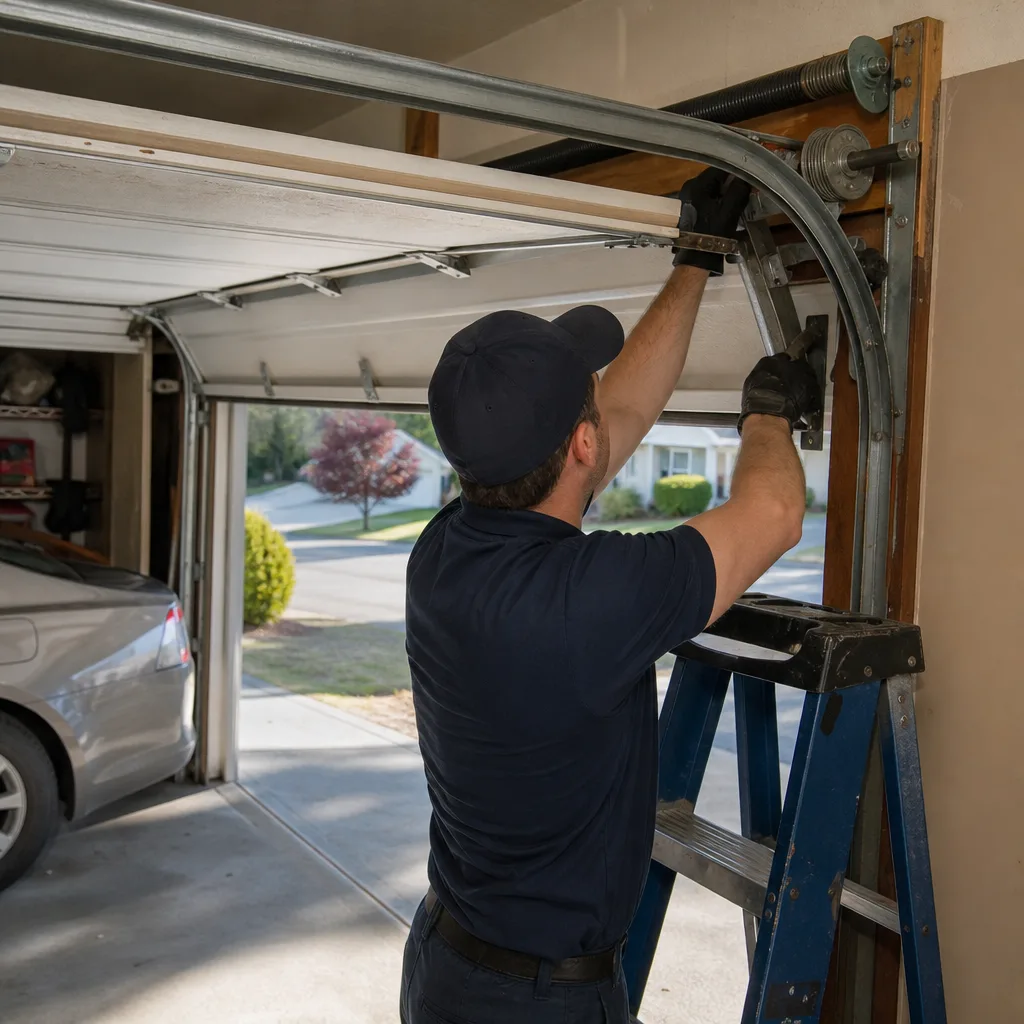
Last updated November 22, 2026
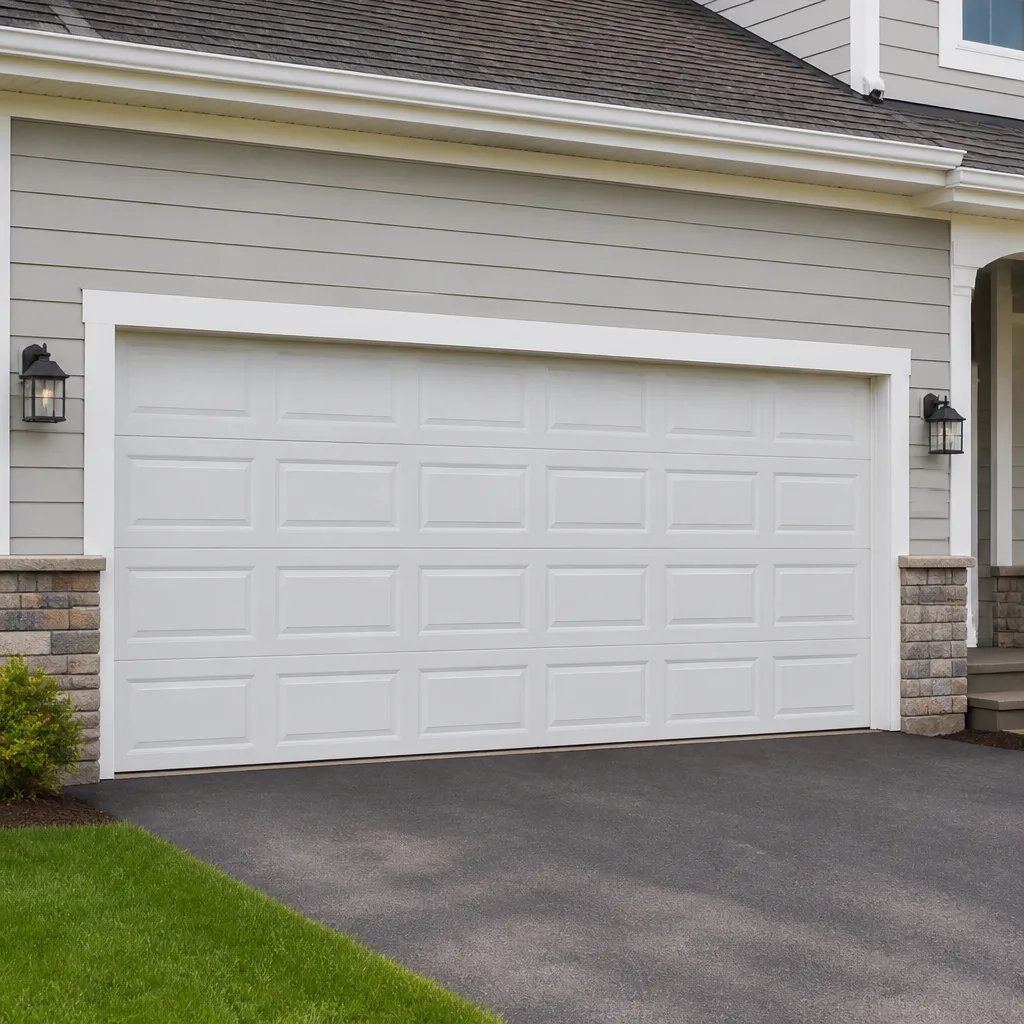 Raised-panel steel
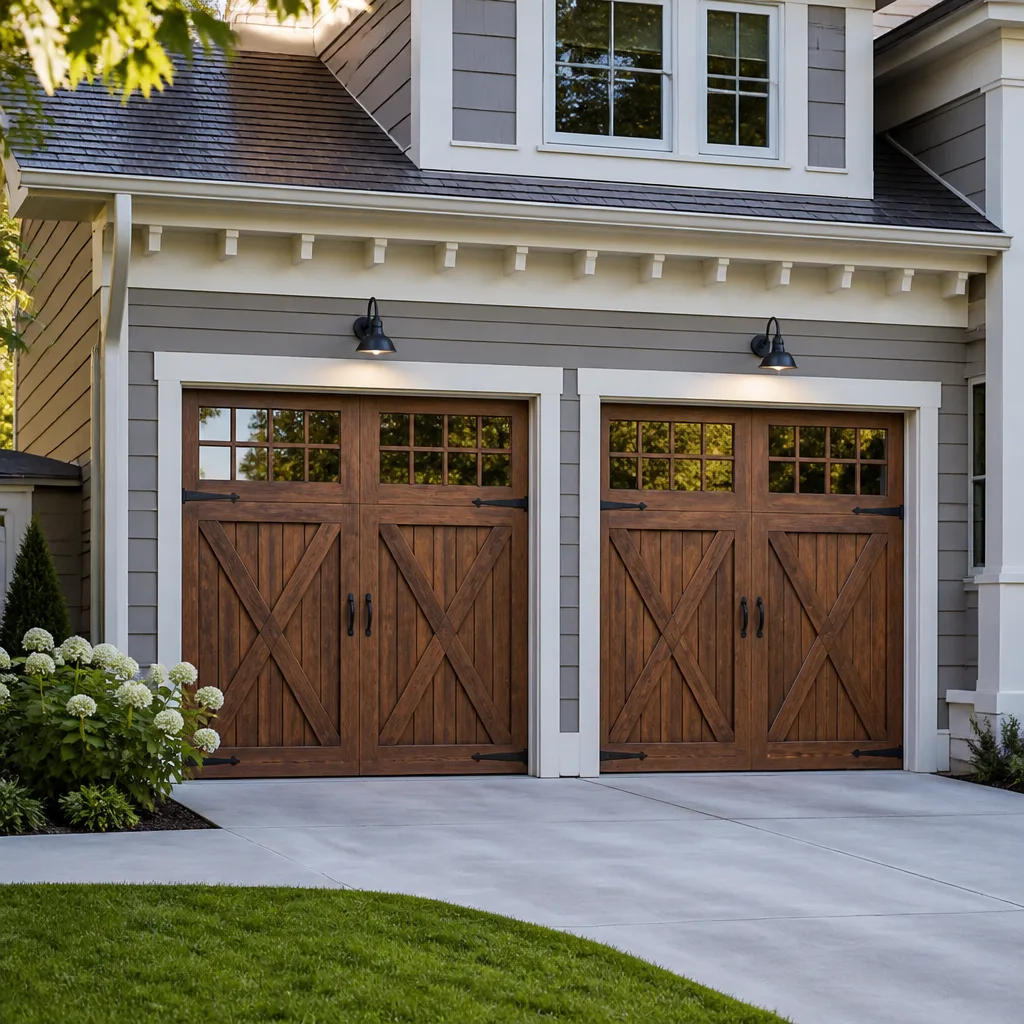 Carriage house
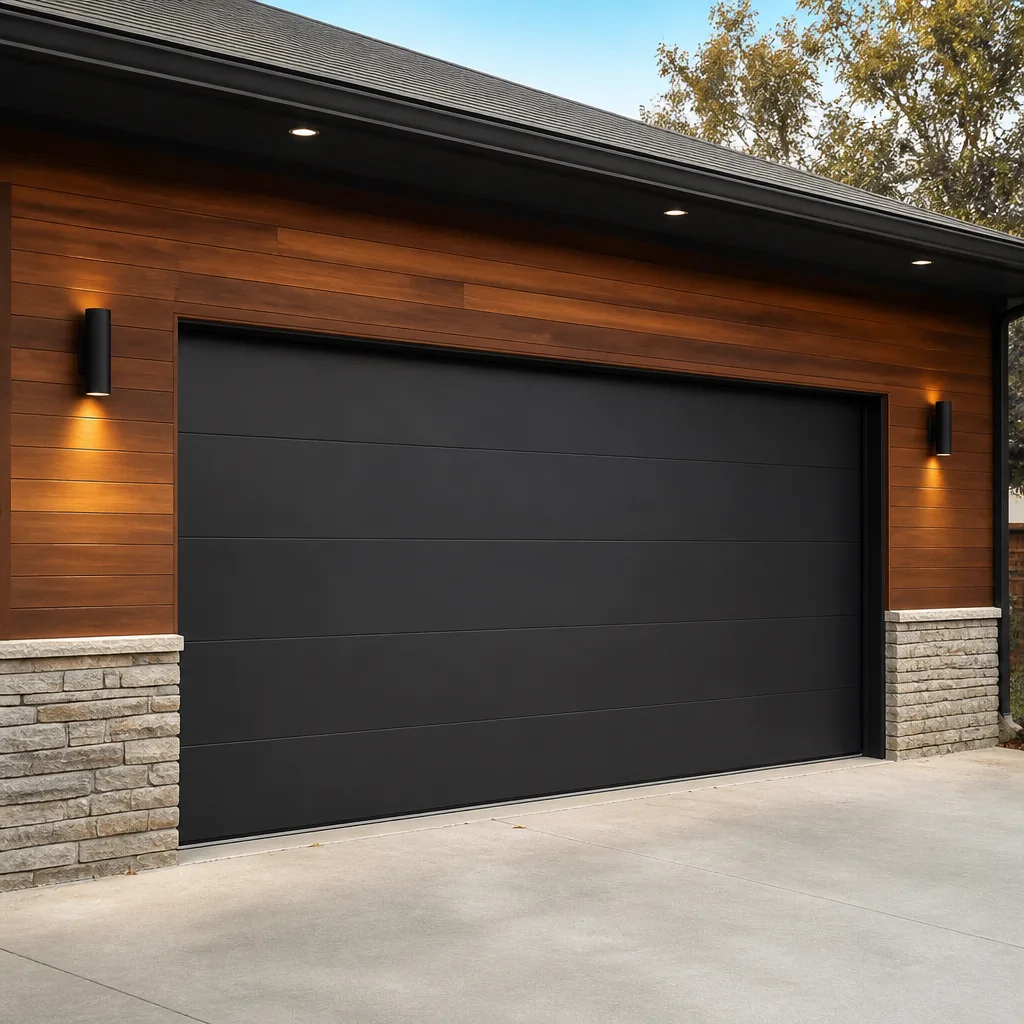 Modern flush
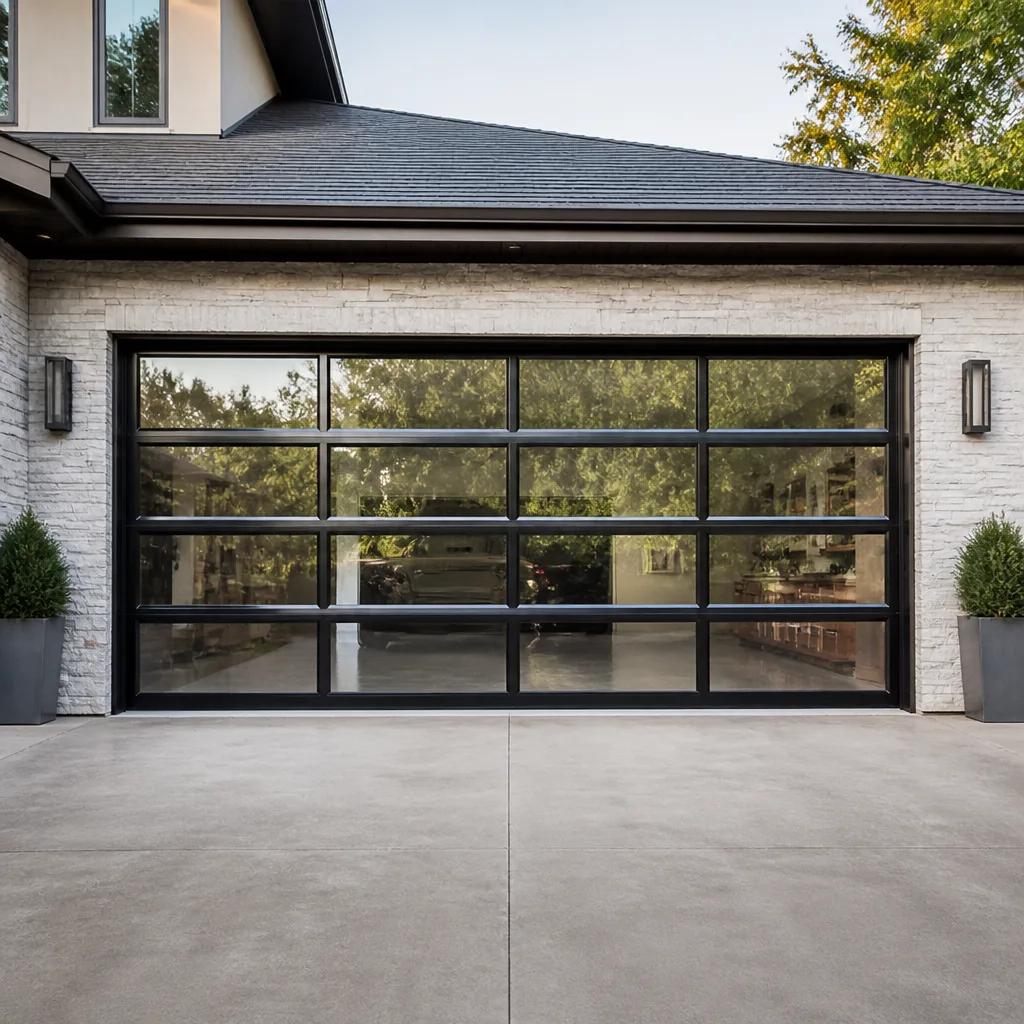 Full-view glass
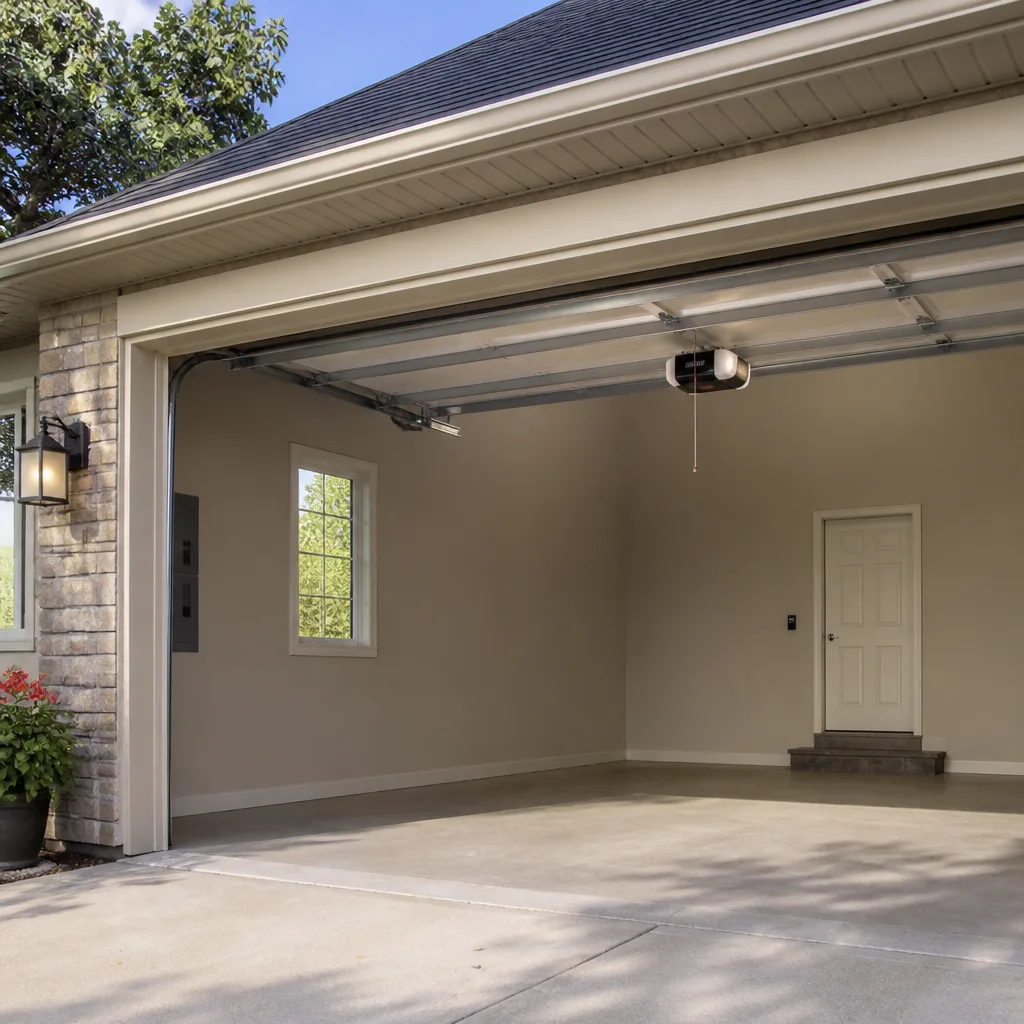 LiftMaster openers
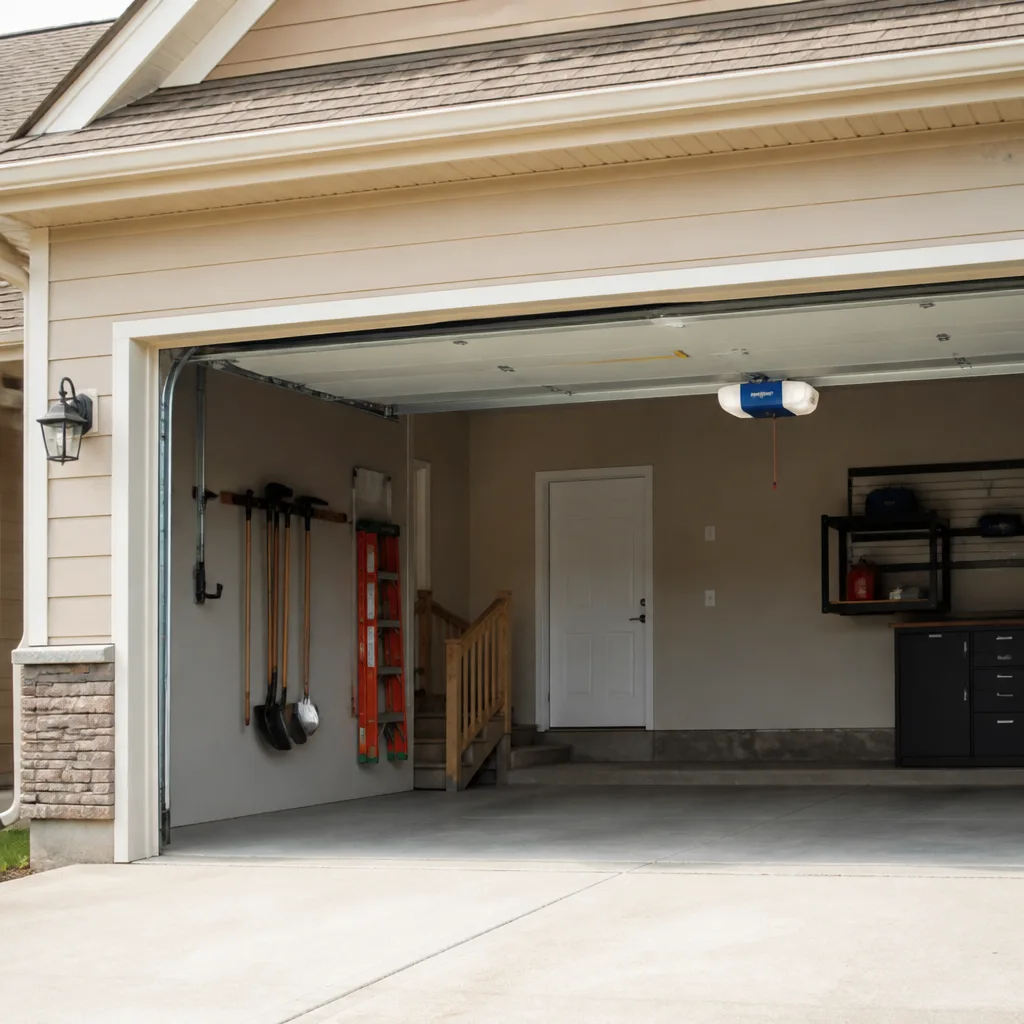 Chamberlain openers
Full 25-point door and opener safety check with every visit - springs, cables, rollers, tracks, and your LiftMaster or Chamberlain opener included
You get a price before we start. It does not change when the pro arrives.
Get your free estimateGarage Door Emergency Preparedness Guide for South Hill Homes
When the power goes out during a Puget Sound windstorm and your car is inside, the last thing you want to be doing is finding a flashlight and reading the manual on how to use the emergency release cord, especially if the cord is broken. Most South Hill homeowners assume their door will just work when they need it most. But the parts that fail under stress, springs and openers and torsion cables, give warning signs long before they break, and twenty minutes of preparation now can turn a stressful night into a manageable situation. This guide covers what to do before a garage door emergency in South Hill, why certain failures cluster around our weather, and how to handle each scenario safely.
Quick Answer
For a garage door emergency in South Hill, the first step is safety: don’t force a door that’s jammed or has a snapped spring. Instead, secure the opening, check whether the issue is power or mechanical, and call for professional help. Garage door springs are under extreme tension, and this is not a DIY repair. We answer 24/7 and dispatch technicians from 7am to 7pm. Most failures come down to power loss, cold-related spring snaps, or opener problems, and a free estimate sets the price before any work begins.
Styles & brands we work with
- Raised-panel steel
- Carriage house
- Modern flush
- Full-view glass
- LiftMaster openers
- Chamberlain openers
Table of Contents
- Why Garage Door Emergencies Cluster in South Hill
- How to Operate the Emergency Release Cord Correctly
- What to Do When Your Door Freezes to the Ground Seal
- When Windstorm Debris Jams Your Track
- The Two-Minute Monthly Test That Saves You at 11 p.m.
- What “Door Won’t Close After a Power Outage” Usually Means
- How to Secure a Door That Won’t Close Overnight
- When to Call a Professional
Why Garage Door Emergencies Cluster in South Hill
South Hill sits at a spot where Puget Sound weather and cold snaps do a number on residential garage door hardware. The pattern is predictable: windstorms knock out power, subfreezing temperatures make metal brittle, and months of humidity and temperature swings leave tracks slightly out of alignment. Understanding the seasonal rhythm helps you prepare before the first storm hits.
Here’s what we see most at different times of year:
- Fall and winter windstorms: Power outages are the number one cause of doors that won’t open. When grid power drops, an opener won’t respond, even though the door and springs are fine. Debris from windblown branches and downed limbs also strikes doors and jams tracks.
- January cold snaps: Springs that are already weakened snap more readily in subfreezing weather, and the bottom rubber seal can freeze to the concrete apron. Opening a frozen door by force damages the bottom section and the seal.
- Spring and summer temperature swings: Rapid expansion and contraction can throw a track out of alignment or loosen the bolts that hold the torsion bar. These small issues can turn into bigger problems over time.
- Year-round opener fatigue: An opener that’s already struggling can fail at the most inconvenient moment. Older Craftsman and Chamberlain units are especially prone to wear at the logic board and drive gear after years of daily use.
The good news is that most South Hill garage door emergencies trace back to a handful of causes: power loss, a snapped spring, a misaligned track, or a tired opener. Knowing what to look for, and what not to touch, is the preparation that matters most.
How to Operate the Emergency Release Cord Correctly
Every opener has a manual release cord, usually a red handle hanging from the trolley. Pulled correctly, it disconnects the door from the opener so you can lift it by hand. Pulled at the wrong angle or re-engaged incorrectly, it can damage the trolley carriage. That’s the part most homeowners get wrong, and it’s the reason a simple power outage turns into a repair call.
Here’s the proper sequence:
- Confirm it’s a power issue first. Check the breaker, the wall switch, and whether other homes in your South Hill neighborhood are also dark. If power is out, don’t cycle the opener.
- Stand clear and steady the door. With the door closed, pull the release handle straight toward the motor, not down or sideways. A sharp, direct pull is safer than a slow tug at an angle.
- Lift slowly with two hands. A manual door raises with steady upward pressure at the bottom center. Lift slowly and listen for the spring tension. A properly functioning torsion spring carries most of the door’s weight.
- Re-engage correctly. Once power returns, raise the door and pull the release cord again to re-connect the trolley. Then run the opener once to confirm the carriage is seated. Never force the trolley into the carrier.
A common mistake is pulling the release cord horizontally or at a diagonal. That bends the release arm and can misalign the trolley carriage. Also resist the urge to re-engage the opener while the door is down; the carriage won’t seat and the motor can strip the gear. If the cord is broken or missing, that’s a repair item, and it’s worth handling before you need it. In South Hill, where power outages can stretch across several hours, knowing this sequence cold is the difference between a quick manual open and a bent carriage.
What to Do When Your Door Freezes to the Ground Seal
When a January cold snap hits South Hill, the rubber bottom seal can freeze to the concrete apron. The first sign is usually a door that strains to lift, then jerks, or a bottom section that bows. If you yank it up with the opener, you can tear the rubber seal and possibly damage the bottom panel.
Here’s the safe approach:
- Disengage the opener first. Use the manual release so the motor isn’t fighting the ice. Pull the release cord as described above.
- Break the ice at the seal, not the panel. Use warm water or a de-icing spray along the bottom edge, working from the center outward. Never chip at the seal with a tool; it will tear.
- Lift gently and evenly. Once the seal loosens, raise the door a few inches by hand, then stop and confirm the seal isn’t catching. Work slowly until it’s clear of the apron.
- Prevent the freeze next time. A light coat of silicone spray on the bottom seal, or a small amount of de-icing product along the apron, cuts the freeze bond. Clearing snow and ice away from the door also helps.
Frozen-to-the-ground doors are almost always a seal or apron problem, not a spring or opener problem. Fix the freeze point and the door returns to normal. If the bottom section has already buckled from a forced lift, that’s a panel repair, and it’s better handled before the next cold snap. In South Hill, January can bring several hard freezes, so a quick inspection of your bottom seal in the fall is worth the effort.
When Windstorm Debris Jams Your Track
A windstorm can drop a branch, a piece of fencing, or loose debris right into the path of your door. What follows is usually a jammed track or a door that stops halfway and won’t move. The mistake here is forcing the opener through the obstruction. That can bend the track, strip the trolley, and in the worst case, derail the door.
What to do:
- Stop the door immediately. Don’t cycle the opener again. If the door is partly open and jammed, leave it there and stabilize it.
- Clear visible debris by hand. Carefully remove branches or loose material from the door path. Don’t reach into the track or under a partially raised door that isn’t supported.
- Look for a bent track. A track that’s visibly bent or out of alignment from the strike needs a technician. Don’t try to bend it back with household tools.
- Check the bottom seal and panel. Impact can leave the bottom section slightly warped or the seal torn. Note it for the repair call.
If the door is out of its track, or the torsion cable looks slack or tangled, stop and call. That’s a genuine hazard. Our technicians work with LiftMaster, Chamberlain, Genie, and Raynor systems, and we can tell from the door’s behavior whether the issue is the track, the trolley, or the opener’s travel limit. Windstorm debris strikes are one of the more common South Hill emergency calls in the fall, and they’re typically a quick fix when addressed before the door is forced.
The Two-Minute Monthly Test That Saves You at 11 p.m.
The best preparation for a garage door emergency in South Hill is a monthly check you can do in about two minutes. It confirms that your emergency release and manual operation work before you need them, not after. Do this while the door is fully closed and the opener is powered.
- Test the manual release. Pull the release cord and confirm the door detaches from the trolley with a clean, direct motion. Then lift the door by hand a few inches and lower it. It should move smoothly without excessive force.
- Re-engage and cycle. Re-connect the trolley and run the opener once. Listen for unusual grinding, jerking, or a door that hesitates. These are early signs of opener wear.
- Check the safety reverse. Place a small object on the floor in the door’s path and lower the door. It should stop and reverse. This is a critical safety function on all openers, including modern LiftMaster and Genie systems.
- Look at the springs and cables. With the door closed, check the torsion spring for a visible gap. A spring with a gap has already snapped or is about to. Never touch the spring or cable; just note the gap.
- Listen for track noise. A door that rattles or clicks in one spot usually has a loose bracket or a slightly misaligned track.
That’s it. Two minutes, once a month. If the manual release pulls hard or the door won’t lift by hand, something is dragging or a spring is failing, and that’s worth fixing on your schedule rather than at 11 p.m. on a stormy night. South Hill homeowners who run this test in October are ready for winter.
What “Door Won’t Close After a Power Outage” Usually Means
A door that won’t close after power returns is usually a safety-sensor or travel-limit issue, not a permanent failure. When the power comes back on, the opener resets its sensors and limits. If the sensors are blocked or slightly misaligned, the door will open but refuse to close. If the travel limit drifted, the door may stop short or reverse immediately.
The safe diagnostic sequence:
- Look at the safety sensors first. The two small lenses at the bottom of the track should be aligned and the indicator lights should be steady. A cobweb, a recycling bin, or a slightly nudged bracket will break the beam and stop the door.
- Check the wall station and remote. Try the wall control and the remote separately. If one works and the other doesn’t, the issue is the remote, not the door.
- Re-engage the trolley. After a manual open, the trolley carriage may not be seated. Lift the door a few inches and pull the release cord to re-seat it, then cycle the opener.
- Reset the travel limit only if the manual says so. Modern openers from LiftMaster and Genie have a defined reset procedure. Follow it exactly; improvised adjustments can cause a door to close too far or not far enough.
- Know when it’s not a reset. If the door reverses immediately with the sensors clear, or if the opener clicks but the door doesn’t move, the issue is mechanical: a stripped gear, a dead capacitor, or a snapped spring. Call for service.
In our experience, most “won’t close after the power came back” calls are sensor alignment or a trolley that never re-seated. The reset takes minutes. But if the door has snapped a spring or the opener’s drive gear has failed, no amount of resetting will fix it. A technician can diagnose by brand, not by guesswork, which matters when the opener is an older Craftsman or Chamberlain unit or a newer smart system.
How to Secure a Door That Won’t Close Overnight
A door stuck open at night creates a real access concern. You need a temporary, physical way to secure the opening until a technician can get there. Don’t rely on the opener; if it failed, it likely won’t lock. Use the door itself or a barrier.
- Lower the door by hand if it’s safe to do so. With the opener disengaged, guide the door down slowly by the bottom center. If a spring is broken, the door will be very heavy; don’t attempt this alone. Two people at the bottom corners can lower a manual door slowly, but never stand under a door that’s unsupported.
- Block the opening with a vehicle or barricade. If the door can’t close, park a vehicle close to the opening or place a sturdy barricade inside. This discourages access while you wait.
- Use a door brace or wedge if you have one. A pair of sliding-door bars or a heavy wedge at the bottom edge prevents the door from being lifted from outside.
- Lock the pass door. If your garage has a side door, lock it and secure the interior. Move valuables out of the garage if the opening can’t be closed.
- Leave the opener disengaged. A trolley that’s partially engaged can cause the door to move unexpectedly when power returns.
We answer 24/7, and fast dispatch runs from 7am to 7pm, Sunday through Friday. If your door fails outside those hours, the call gets booked into the next opening, so securing the door overnight is worth the effort. South Hill homeowners can call (844) 443-4774 and we’ll get a technician out as soon as dispatch opens.
Common Mistakes to Avoid
- Forcing a door with a snapped spring. A door with a broken torsion spring can weigh well over a hundred pounds. Forcing it up bends the panels and can send the door crashing down. Leave it closed and call.
- Pulling the release cord at an angle. A diagonal pull bends the release arm and misaligns the trolley carriage. Pull straight toward the motor, and re-engage correctly.
- Lifting a frozen door with the opener. The motor will strain against the ice and tear the bottom seal or buckle the panel. Break the freeze first, then lift by hand.
- Ignoring a gap in the torsion spring. A visible gap means the spring has already failed. Running the opener on it can damage the cable and the door. Stop and call.
- Adjusting travel limits without the manual. Improvised limit adjustments on a LiftMaster or Genie opener can cause the door to close too hard or reverse mid-travel. Follow the manufacturer’s reset procedure.
- Skipping the monthly release test. A release cord that’s jammed or broken goes unnoticed until you’re standing in a dark garage. Test it monthly and fix it on your schedule.
- Trying to re-tension a spring yourself. Torsion and extension springs store enormous energy. This is the one repair where the wrong tool or the wrong turn can cause serious injury. It’s a job for a trained technician with the proper winding bars.
See the difference
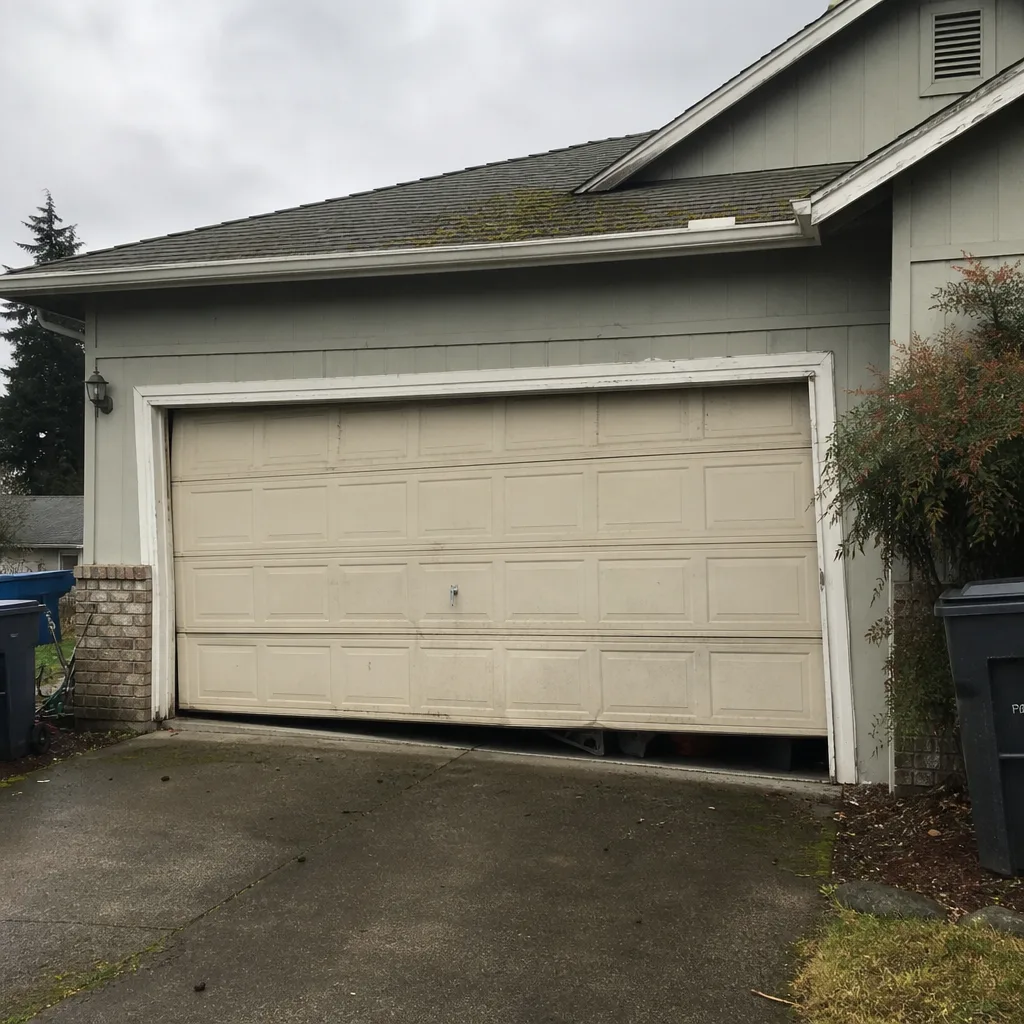 Before
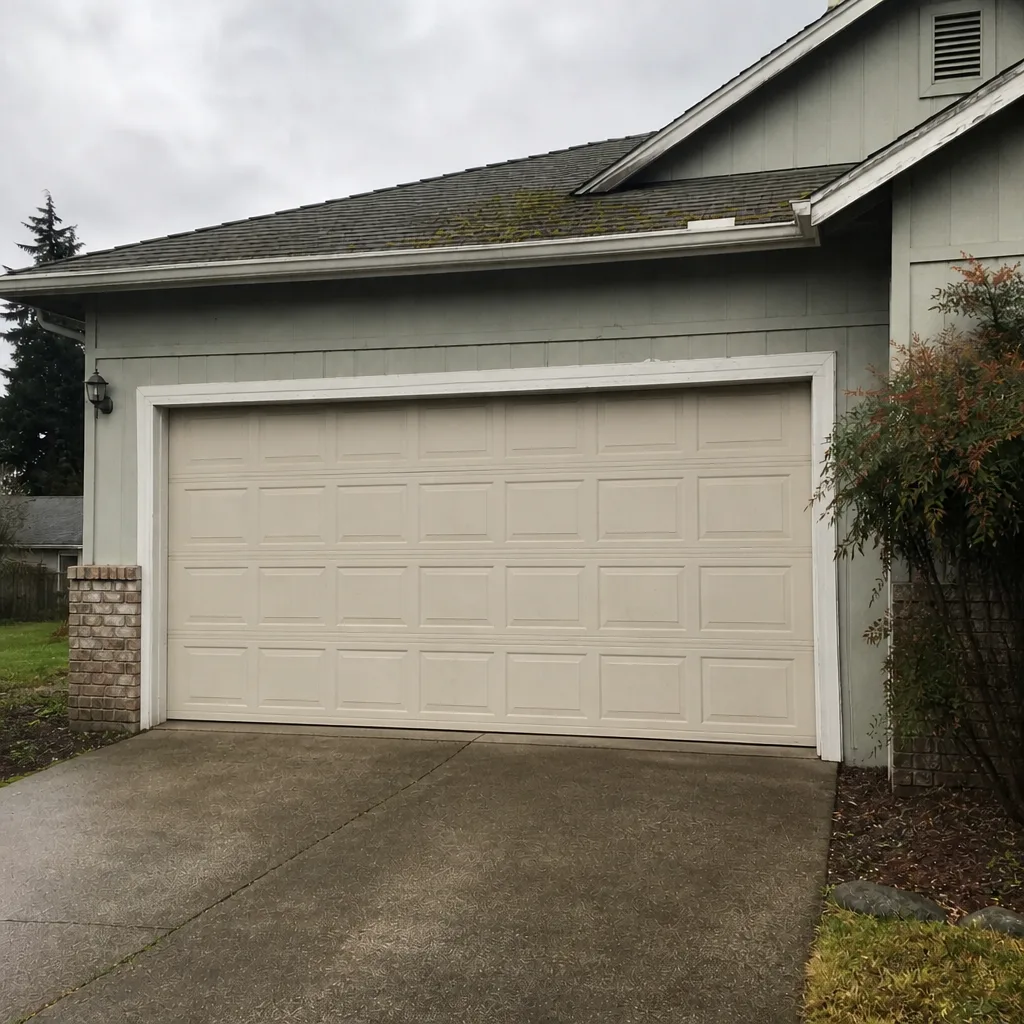 After
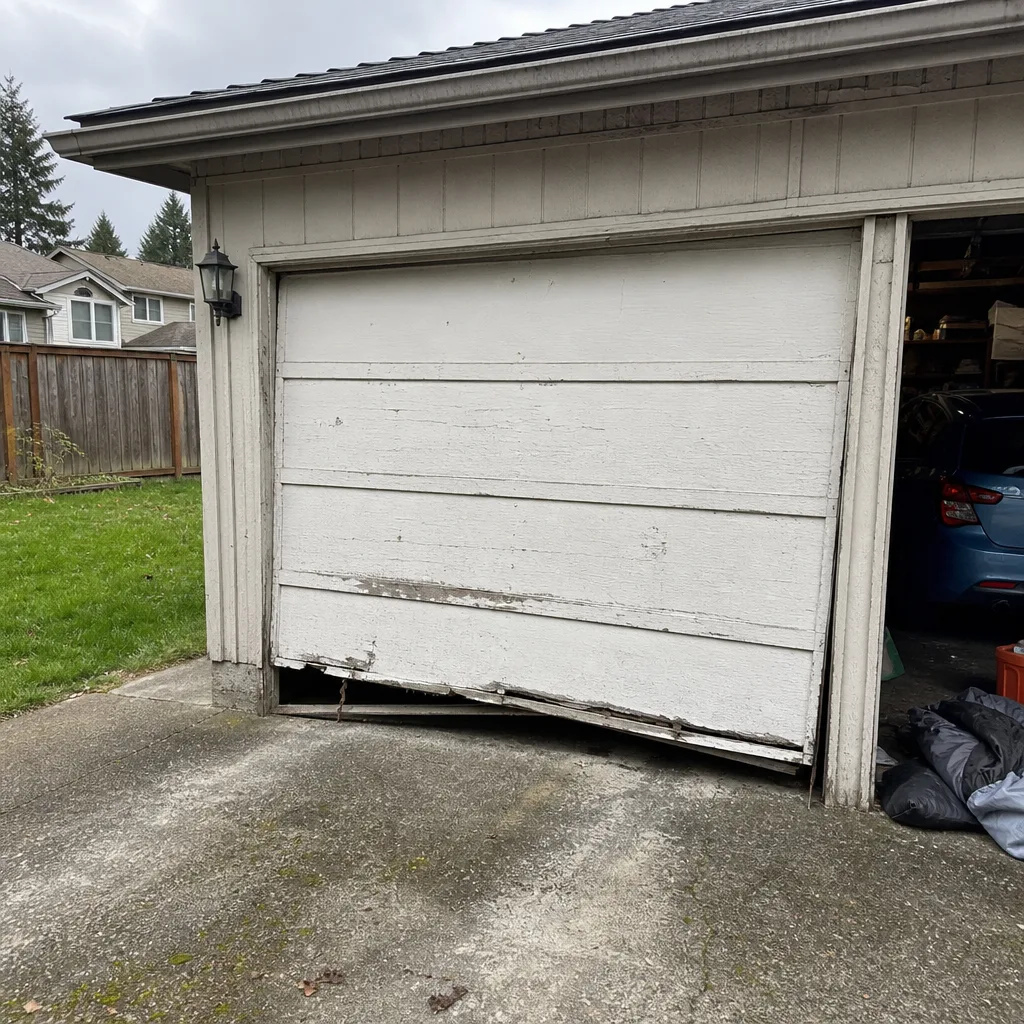 Before
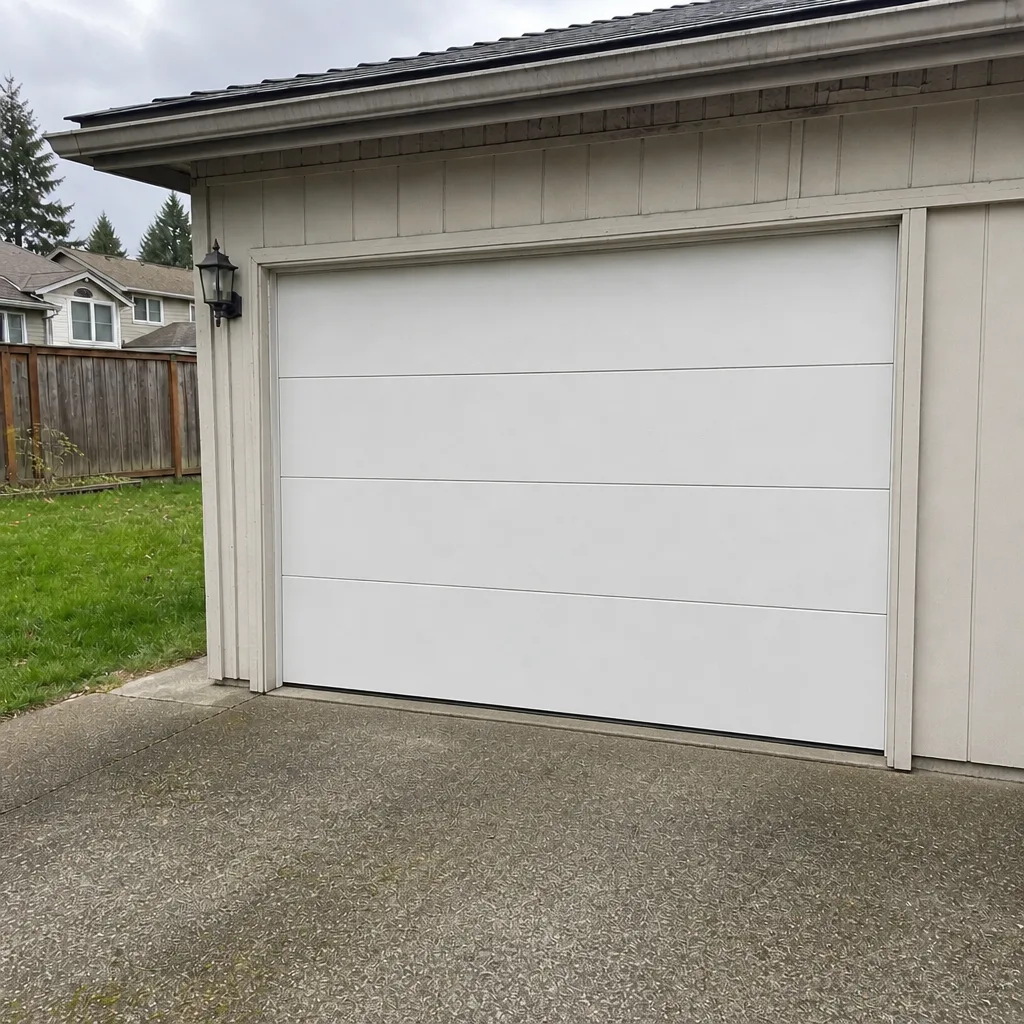 After
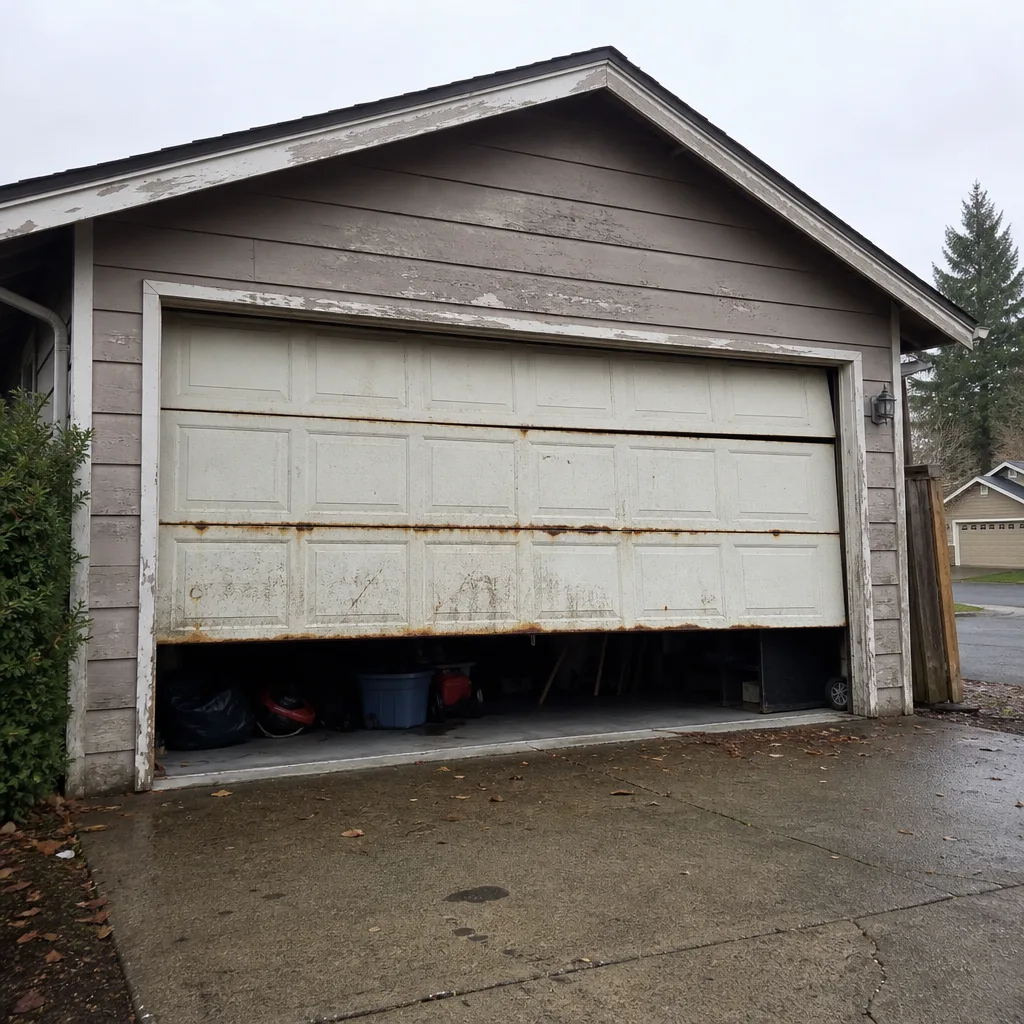 Before
 After
When to Call a Professional
Call us when the door won’t open or close and the cause isn’t obvious, when you see a gap in the spring, when the door is off its track, or when the opener clicks but the door won’t move. Those are the moments where a wrong move causes damage or injury. We handle garage door spring repair as a dedicated service because it’s a high-tension, safety-critical job, and we diagnose by brand across LiftMaster, Chamberlain, Genie, and Raynor systems. If the door is secure and the issue is cosmetic or a slow opener, it can wait for a scheduled visit. If it’s a security or access crisis, treat it as the emergency it is. Garage Door Repair South Hill offers free estimates in South Hill, with the price agreed before any work starts. Call (844) 443-4774.
Frequently Asked Questions
Check whether the power is out before anything else. If your South Hill neighborhood is dark, the opener won’t respond and the door is fine; use the manual release to open it by hand. If the power is on, test the wall switch and the remote separately. If neither works and the door is jammed, stop and call (844) 443-4774. Estimates are free.
Yes, if the door and springs are in good condition. Pull the emergency release cord straight toward the motor, then lift the door slowly with two hands at the bottom center. A properly working torsion spring carries most of the weight. Never force a heavy door; that means a spring has failed and you should call for service.
Subfreezing temperatures make the steel in a torsion spring more brittle, and a spring that’s already weakened by years of cycles can snap when the temperature drops. In South Hill, January cold snaps are when most spring failures happen. A visible gap in the spring means it has failed. Don’t run the opener; call for garage door spring repair.
It’s usually a safety-sensor alignment issue or a trolley that didn’t re-seat after a manual open. Check that the two sensor lenses at the bottom of the track are aligned and clear of debris. If the sensors are fine, lift the door a few inches and pull the release cord to re-seat the trolley, then cycle the opener. If the door still reverses or won’t move, call (844) 443-4774.
Yes. Lower the door by hand if it’s safe and the spring isn’t broken, or block the opening with a vehicle or barricade. Lock the pass door and leave the opener disengaged. We answer 24/7 and fast dispatch runs from 7am to 7pm, Sunday through Friday, so a call outside dispatch hours gets booked into the next opening.
We work on the brand you already have, across LiftMaster, Chamberlain, Genie, and Raynor systems, along with Clopay, Amarr, Wayne Dalton, and Craftsman. We diagnose by brand, not by assumption, which means the fix matches the opener’s actual design. Call (844) 443-4774 for a free estimate. We answer 24/7.
The Bottom Line
Garage door emergencies in South Hill follow predictable patterns: windstorm power outages, January spring snaps, windblown debris strikes, and openers that fail at the wrong moment. The prep is simple. Learn the emergency release sequence, run the two-minute monthly test, break ice before lifting a frozen door, and know what a “won’t close” door usually means. Most failures give warning signs long before they break. A little preparation now saves a stressful night later. When you do need help, we work on the brand you already have, and one call covers garage door repair, garage door opener repair, spring repair, or a full new installation. Garage Door Repair South Hill is your resource for garage door repair South Hill and surrounding needs. Call (844) 443-4774 for a free estimate. We answer 24/7. Fast dispatch from 7am to 7pm, Sunday through Friday.
Written by the team at Garage Door Repair South Hill.