
Last updated November 22, 2026
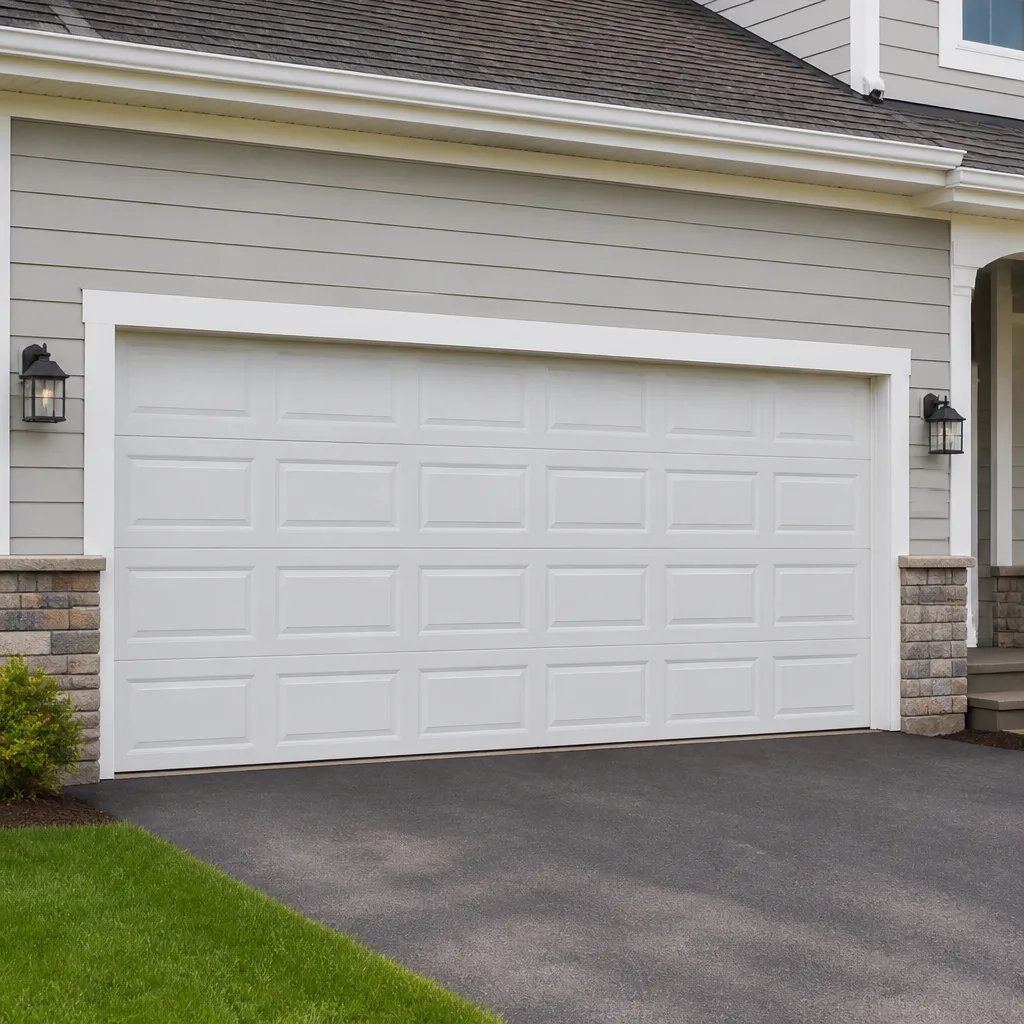 Raised-panel steel
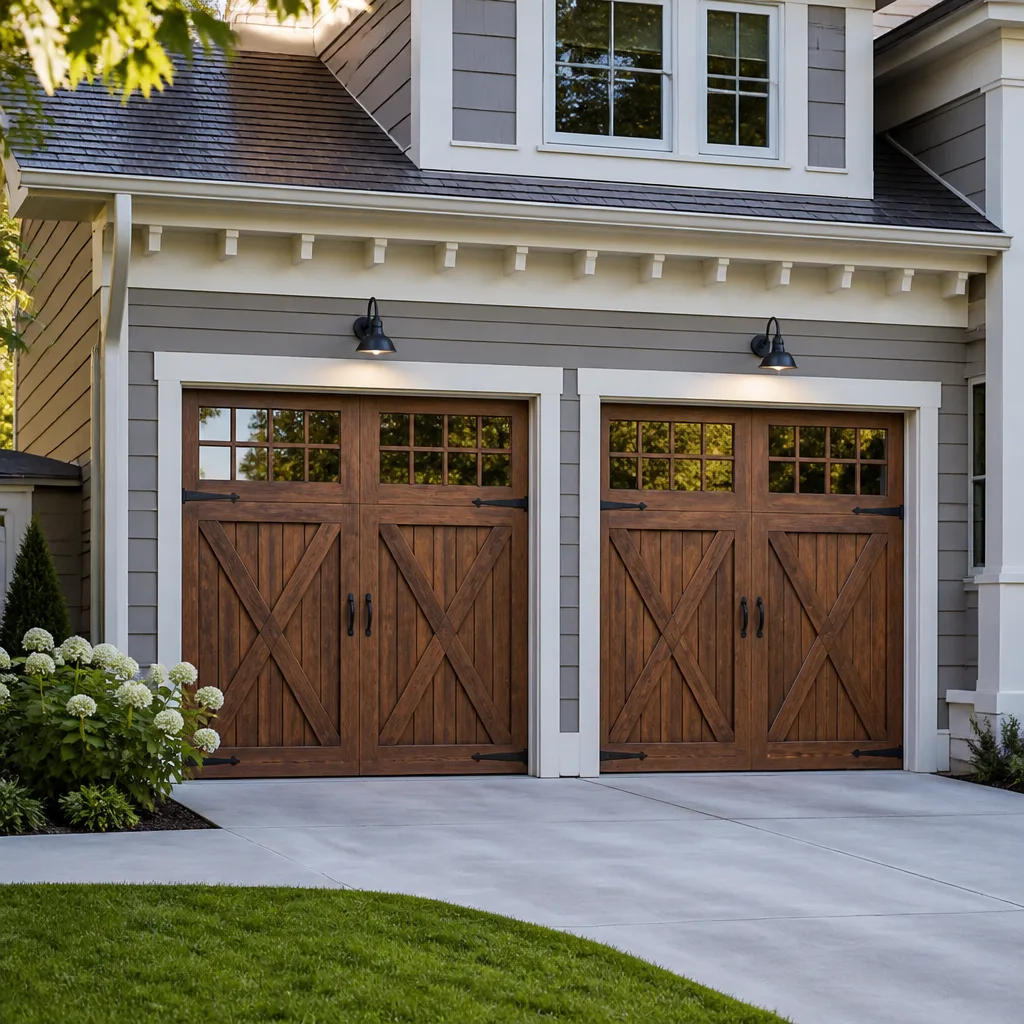 Carriage house
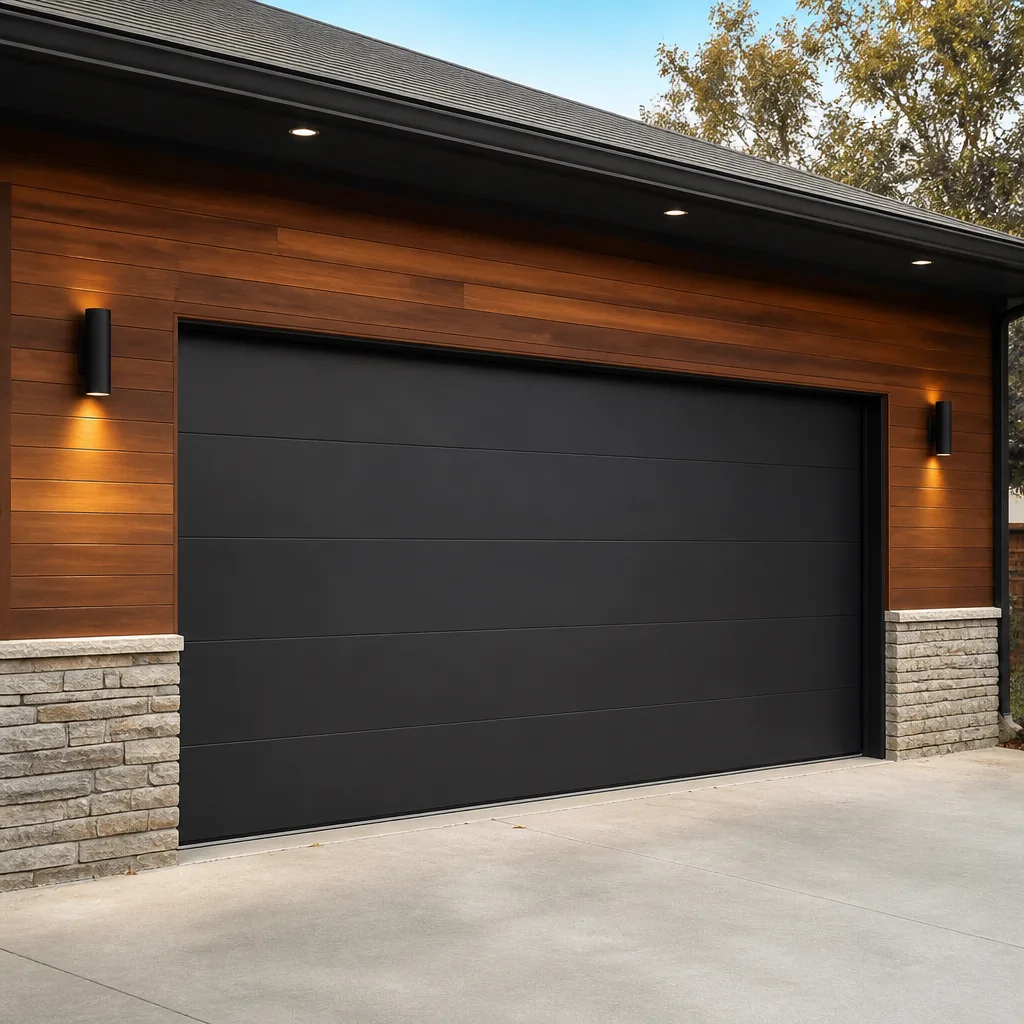 Modern flush
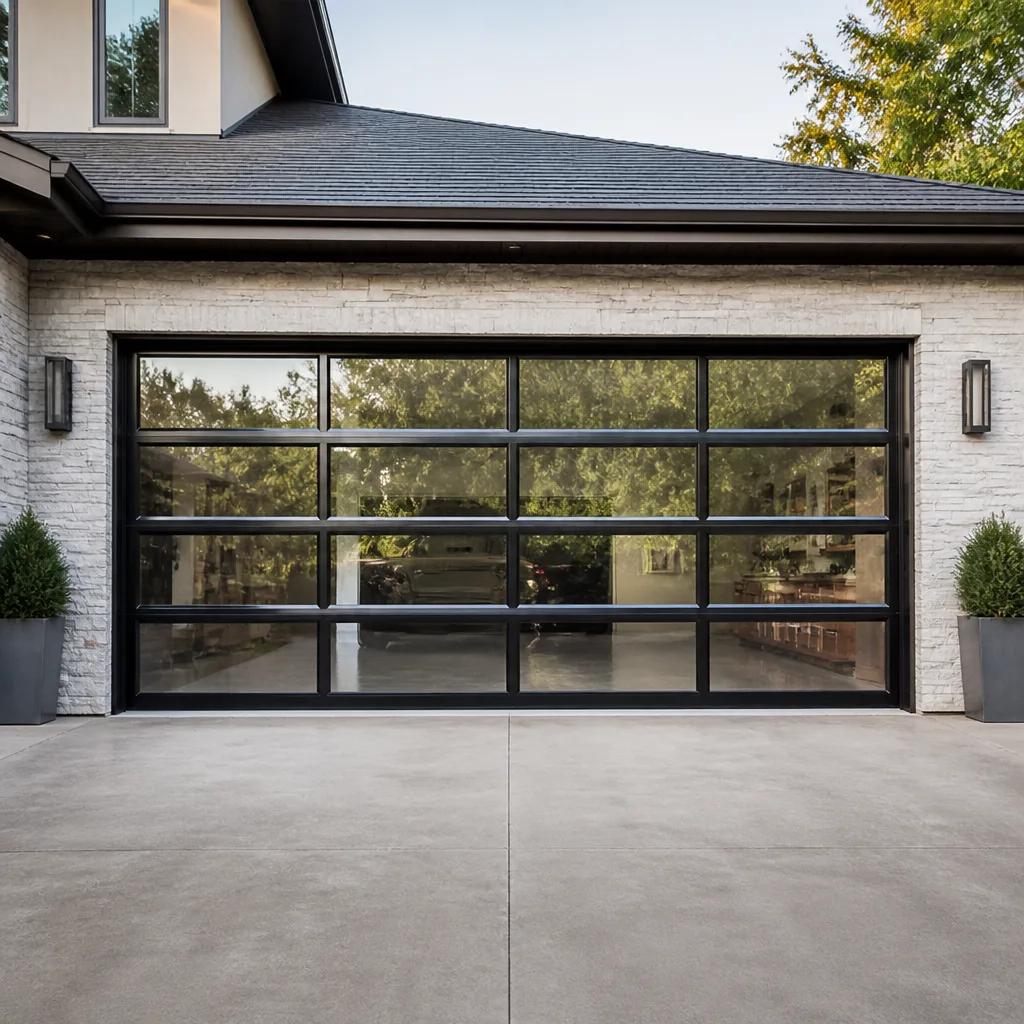 Full-view glass
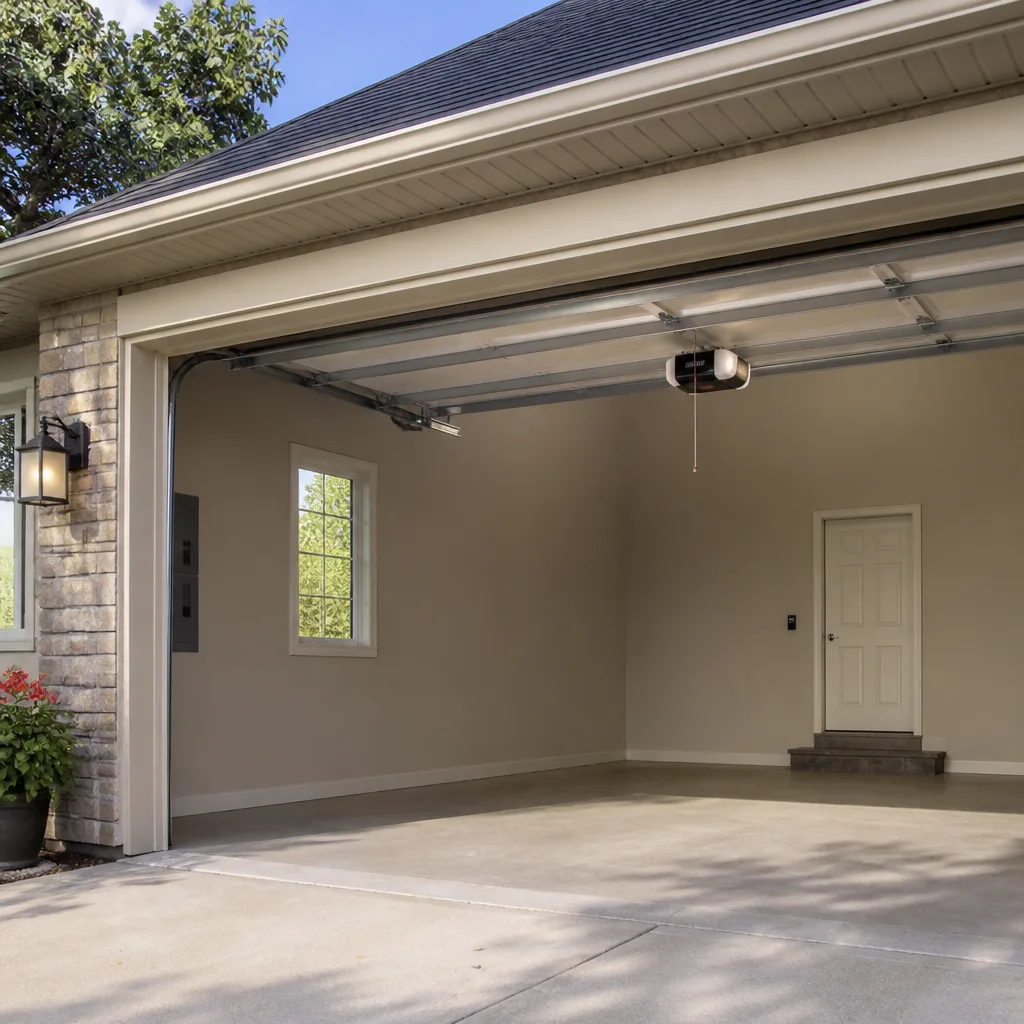 LiftMaster openers
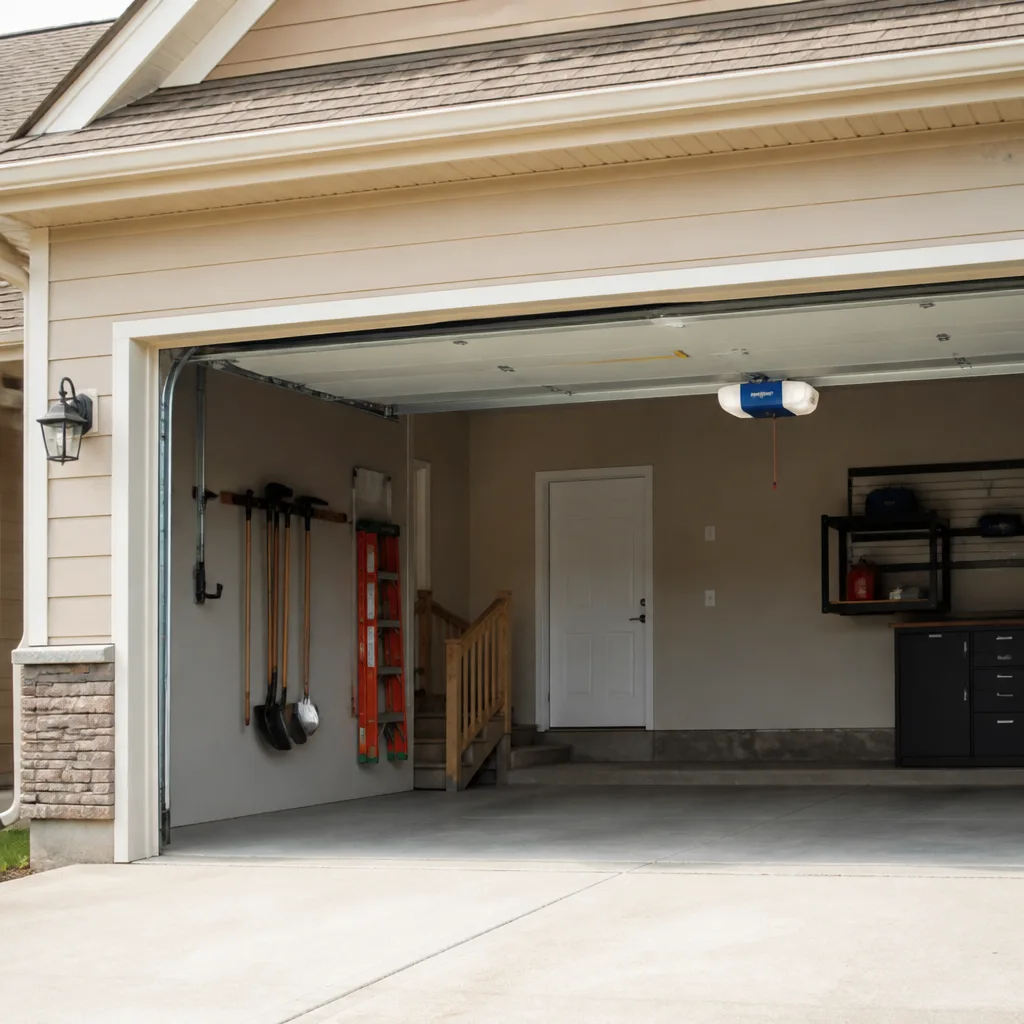 Chamberlain openers
Full 25-point door and opener safety check with every visit - springs, cables, rollers, tracks, and your LiftMaster or Chamberlain opener included
You get a price before we start. It does not change when the pro arrives.
Get your free estimateGarage Door Permits, Codes & Inspections in South Hill, WA: What You Need to Know
A straight door-for-door replacement almost never needs a permit in Pierce County. That’s the part most homeowners already assume. The surprise is what flips that switch: adding a new opener circuit, widening the opening, or changing the structural header, and suddenly you’ve crossed into permit territory that can surface in a home inspection years later and hold up a sale. In South Hill, where much of the housing stock was built during the rapid subdivision growth of the 1990s and 2000s, plenty of garage doors have already been replaced once, and some of those jobs were never permitted. This guide walks through exactly what triggers a permit, when it doesn’t, which code sections actually apply, how to verify prior work, and what to do if an inspection fails.
Quick Answer
In South Hill and the rest of unincorporated Pierce County, a like-for-like garage door replacement – same size, same opening, no structural changes – generally does not require a permit. You do need a permit when the work involves altering the structural header, widening or heightening the opening, installing or modifying electrical circuits for a new opener, or converting the garage into a habitable space. Washington’s energy code (WAC 51-11C) also applies to doors in conditioned or semi-conditioned spaces, and all new openers must meet the UL 325 safety standard. When in doubt, the Pierce County Planning & Public Works permit desk is the final word, and it’s free to ask.
Styles & brands we work with
- Raised-panel steel
- Carriage house
- Modern flush
- Full-view glass
- LiftMaster openers
- Chamberlain openers
Table of Contents
- What Triggers a Permit in South Hill?
- When You Don’t Need a Permit
- Washington’s Energy Code and Garage Doors
- The UL 325 Standard and Opener Safety
- How to Look Up Permit History in Pierce County
- What Happens During a Failed Inspection
- Verifying a Contractor and the Work
- Common Mistakes to Avoid
What Triggers a Permit in South Hill?
Pierce County separates garage door work into three buckets: no permit, mechanical permit, and building permit. Which bucket you land in depends entirely on what’s being changed, not on the dollar value of the job. A $3,000 door swap can be permit-free while a $900 opener rewire can require one. That’s the counterintuitive part, and it trips people up regularly.
No permit required: replacing a door with a new door of the same dimensions into the existing opening, replacing springs, cables, rollers, hinges, or tracks, and swapping an opener for one of the same type in the same location using the existing circuit.
Mechanical or electrical permit likely required: installing a new dedicated circuit for a garage door opener where none existed, adding a subpanel or outlet in the garage for opener or lighting work, or replacing a manual door with a powered one. Electrical work of any kind in Pierce County must be done by a licensed electrician, and the permit is typically pulled by that electrician.
Building permit required: widening or heightening the opening, replacing or modifying the structural header that carries the load above the door, changing the wall framing, converting the garage into living space, or altering the foundation under the door.
If your project touches framing or the header, plan for the building permit process, which involves submitting plans and scheduling inspections. For a straight repair like a snapped torsion spring, there’s no permit layer at all – just a trained technician and the right tools. Our garage door spring repair service handles those jobs on their own because spring work is safety-critical and doesn’t need a permit to be done correctly.
When You Don’t Need a Permit
Most of the work homeowners call us about in South Hill falls into the no-permit category. That’s worth stating plainly because permit anxiety sometimes stops people from getting a broken door fixed, and a door stuck halfway open in a neighborhood off Meridian is a security problem first and a paperwork problem second.
Here’s what typically needs no permit in Pierce County:
- Replacing a door with an identical size and configuration in the existing opening.
- Replacing torsion or extension springs, cables, rollers, or hinges.
- Replacing a garage door opener with a new unit in the same spot, wired to the existing circuit.
- Repairing or replacing weather seals and bottom rubber.
- Adjusting track alignment and balance (a repair, not a structural change).
- Replacing remote controls or wall buttons on an existing opener.
If you’re replacing a dead opener with a smart-home-compatible unit – a LiftMaster or Genie, say – and the existing wiring and circuit are reused as-is, no electrical permit is typically triggered. If the new opener needs a dedicated circuit that isn’t there, that’s where the line moves. It’s a five-minute question to Pierce County’s permit desk, and worth asking before you commit to a plan, especially if you’re planning to sell in the next few years and want the paperwork clean.
For routine garage door repair in South Hill, most calls don’t touch the permit layer. Our garage door repair team can tell you over the phone which category your job falls into before anyone comes out.
Washington’s Energy Code and Garage Doors
Washington State’s energy code, WAC 51-11C, sets minimum thermal performance requirements for garage doors when the garage is conditioned or semi-conditioned. Most homeowners have never heard of this section, and it rarely comes up until someone converts a garage into a workshop, a gym, or living space and finds the door they installed five years ago no longer meets the standard for the space’s new use.
Here’s how to think about it:
- Unconditioned garage (the common case): the energy code requirements for the door itself are lighter. Insulation is a comfort and efficiency choice rather than a code mandate.
- Semi-conditioned or conditioned garage: if the space is heated or cooled and the door separates it from the outside, the door becomes part of the building envelope and must meet U-factor and air-infiltration requirements under WAC 51-11C.
- Garage-to-house separation: the door between the garage and the living space has its own requirements for insulation and weather sealing so fumes and conditioned air don’t cross.
In practical terms, if you’re converting or planning to convert the garage in a South Hill home, choose an insulated door rated for the application, not just the one that’s on sale. Clopay, Amarr, and similar manufacturers publish U-factor data for their lines; ask for the spec sheet. The Pierce County permits desk can confirm which requirements apply to your project based on how the space is classified on your plans.
The UL 325 Standard and Opener Safety
UL 325 is the safety standard every new residential garage door opener sold in the U.S. must meet. It covers the entrapment-protection features that stop a closing door when it meets an obstruction – the safety reversing system, the photoelectric sensors at the bottom of the tracks, and the force limits the opener is set to. If you’re keeping an older opener running while you replace the door, or buying a used opener, this is the standard that determines whether it’s safe to run.
How to verify a used or carried-over opener meets UL 325:
- Look for the UL 325 label on the opener housing. If it isn’t there, assume it isn’t compliant.
- Check that the opener has working photoelectric sensors mounted at both sides of the door, near the floor (about 6 inches up).
- Test the reversal: place a 2×4 flat on the floor under the closing door and confirm the door reverses on contact.
- Test the non-contact reversal: wave an object through the sensor beam while the door is closing and confirm it reverses.
- Check the force setting by pressing down on the closing door – it should reverse, not force through.
If an opener fails any of those tests, an adjustment or replacement is in order before the door gets used again. Our garage door opener repair service covers both legacy Craftsman and Chamberlain units still running in lots of South Hill homes and modern smart units from LiftMaster and Genie. New openers are UL 325 compliant out of the box; the work is in the install and in the setup of sensors and force limits.
How to Look Up Permit History in Pierce County
Before you buy a South Hill home – or before you start a new garage door project – you can check the permit history for the property through Pierce County’s online permit portal. The portal shows permits pulled, inspections scheduled, and final status for most addresses in unincorporated Pierce County. It’s a public record and free to search.
Step by step:
- Go to Pierce County Planning & Public Works online permit search.
- Enter your property address or parcel number (found on your tax statement or Pierce County Assessor-Treasurer records).
- Review the permit history for building, electrical, and mechanical permits.
- Look for open permits that were never finalized – these are the ones that show up at resale.
- Cross-check with the county Assessor’s records for any garage conversion or added space, which often signals structural work.
- If you see a door replacement or garage conversion with no permit attached, ask questions before assuming it’s fine.
If the portal doesn’t show a permit for work that looks structural, the safest path is to call the Pierce County permit desk and ask them to confirm for the specific address. They’ll tell you what they show and what the current requirements are. If any structural question comes up during the search, a structural engineer or a licensed contractor can provide an opinion – permit history alone doesn’t tell you whether a given opening is built correctly, only whether the county has a record.
What Happens During a Failed Inspection
A failed garage door inspection is almost never a teardown. It means the inspector found one or more items that don’t meet code, and the fix is usually targeted. The realistic path is correction, not demolition.
Typical items flagged:
- Missing or non-functioning UL 325 safety sensors.
- Opener force set too high (door doesn’t reverse on contact).
- Manual release cord missing or too high to reach.
- Electrical work done without permit, or an opener wired into an undersized or unprotected circuit.
- Structural changes made without a permit – a widened opening, a modified header.
- Improper attachment of tracks or opener to framing.
The correction path:
- Request the inspection report from the county; it lists each item and the code section cited.
- Get a written plan from a licensed contractor addressing each item.
- Pull a permit for any structural or electrical correction that requires one (this can be done retroactively in many cases, though there’s usually a fee that doubles for work started without a permit).
- Complete the corrections, keep the receipts and photos, and schedule a re-inspection.
- Once the permit is finalized, keep the documentation with your home records – it’s the proof a future buyer’s inspector wants to see.
For an opener or door issue on the list, our garage door repair South Hill team can address the mechanical items in a single visit. The estimate is free, and the written price is set before work starts. Structural corrections may also need a licensed contractor or engineer; we’ll tell you what we see and who to call.
Verifying a Contractor and the Work
Before hiring anyone to work on a garage door in South Hill – especially if structural or electrical work is involved – verify the credentials. Washington requires contractors to be registered with the Department of Labor & Industries (L&I), and that registration can be checked on the L&I website by contractor name or registration number. Electrical work specifically must be done by someone holding a valid electrical license; that’s a separate lookup.
A few practical steps:
- Ask for the contractor’s L&I registration number and verify it themselves.
- Confirm they carry general liability insurance – the certificate should be sent to you directly from their insurer, not forwarded as a photo.
- Ask who pulls the permit. For electrical work, the electrician typically pulls it. For structural work, the building contractor does.
- Get a written estimate that lists what will and won’t be done, including whether a permit is included in the scope.
- Ask what happens if the work fails inspection – who pays for corrections.
Our technicians have up to 11 years of experience, and we’re familiar with the major residential brands you’ll find in South Hill garages: LiftMaster, Chamberlain, Genie, Clopay, Amarr, Wayne Dalton, Craftsman, and Raynor. We diagnose by brand, not by assumption – which matters when a Chamberlain unit isn’t behaving like a Genie, or when a Clopay door’s balance is off in a way its opener can’t compensate for. If your project crosses into structural or electrical work that needs a licensed contractor or electrician, we’ll refer you and stay out of the way.
Common Mistakes to Avoid
- Assuming a door replacement never needs a permit. A straight swap is usually permit-free; a swap that changes the opening size, the header, or adds an electrical circuit is not. Ask the county, not the salesperson.
- Paying cash for work with no written contract. Unpermitted work and no paper trail are the classic combination that surfaces in a South Hill home inspection years later. Insist on a written estimate and keep it.
- Letting a contractor start without verifying registration. Washington requires L&I registration; it takes two minutes to look up. Skip it and you’ll have no recourse if something goes wrong.
- Converting a garage to living space and choosing a door for looks. WAC 51-11C requirements for conditioned spaces apply to the door’s U-factor and air infiltration. Choose on spec, not just style.
- Keeping an old opener running after replacing the door. A new heavier door can overpower an older opener whose force settings were tuned to the previous one. Have the opener adjusted or replaced to match the new door and confirm UL 325 compliance.
- Assuming a used opener is compliant. If you can’t find a UL 325 label and confirm the sensors work, treat it as not compliant and replace it – the safety systems are the whole point.
- Ignoring open permits on the county portal. An open permit from a prior owner’s job becomes your problem at resale. Clear it before you list.
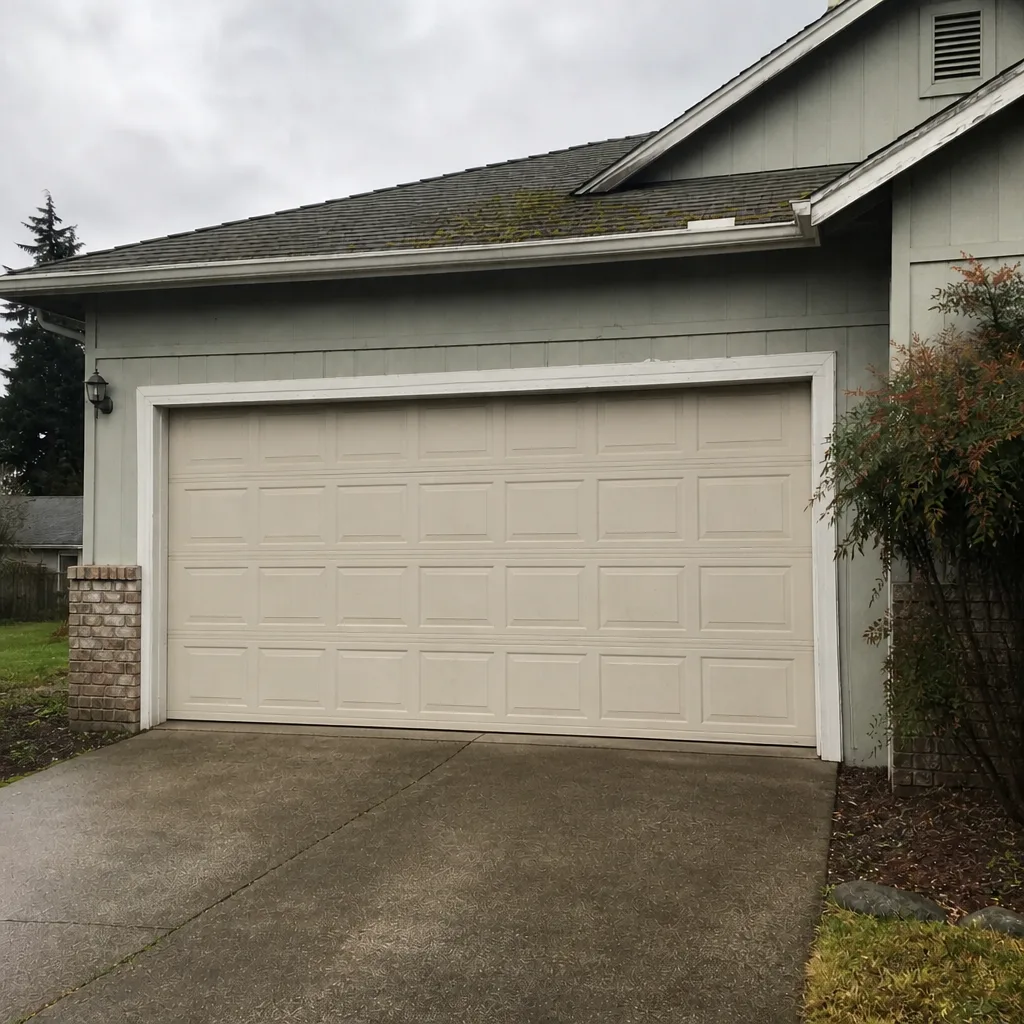
See the difference
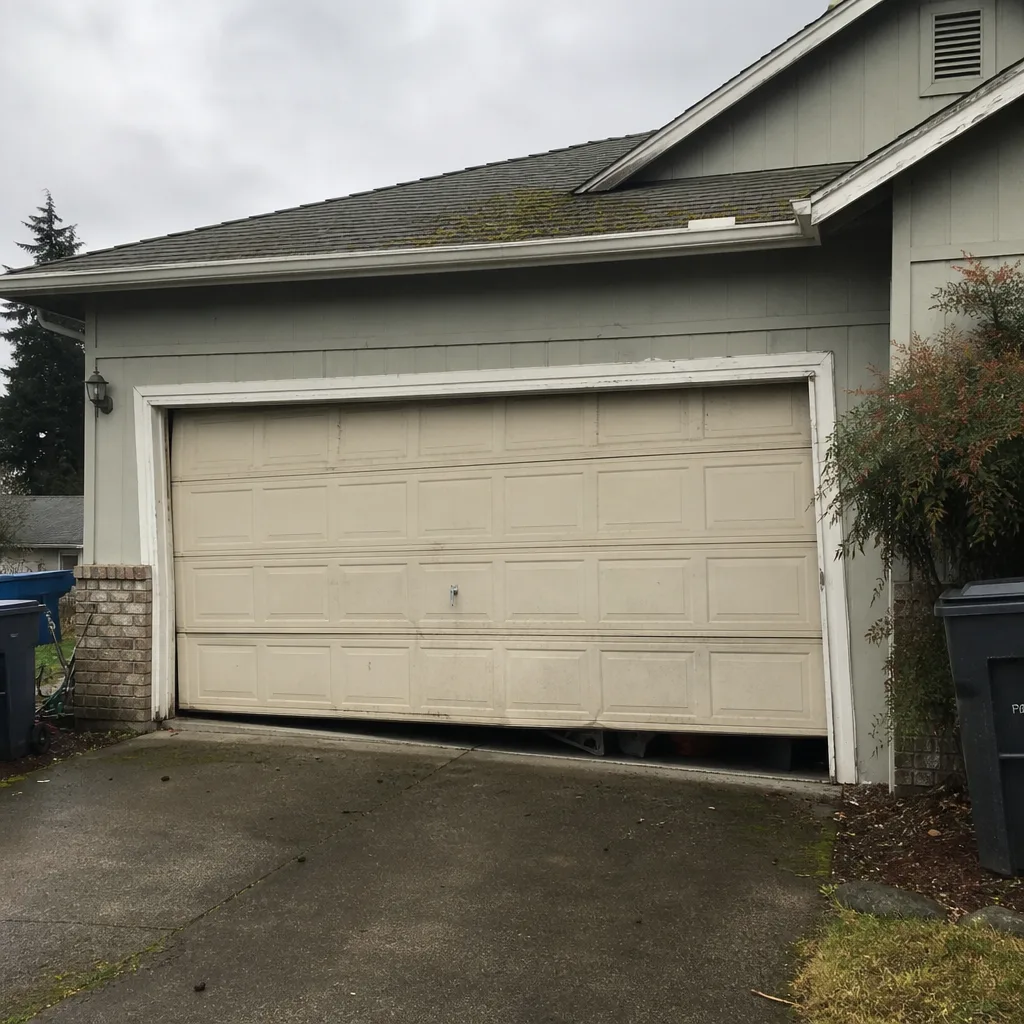 Before
 After
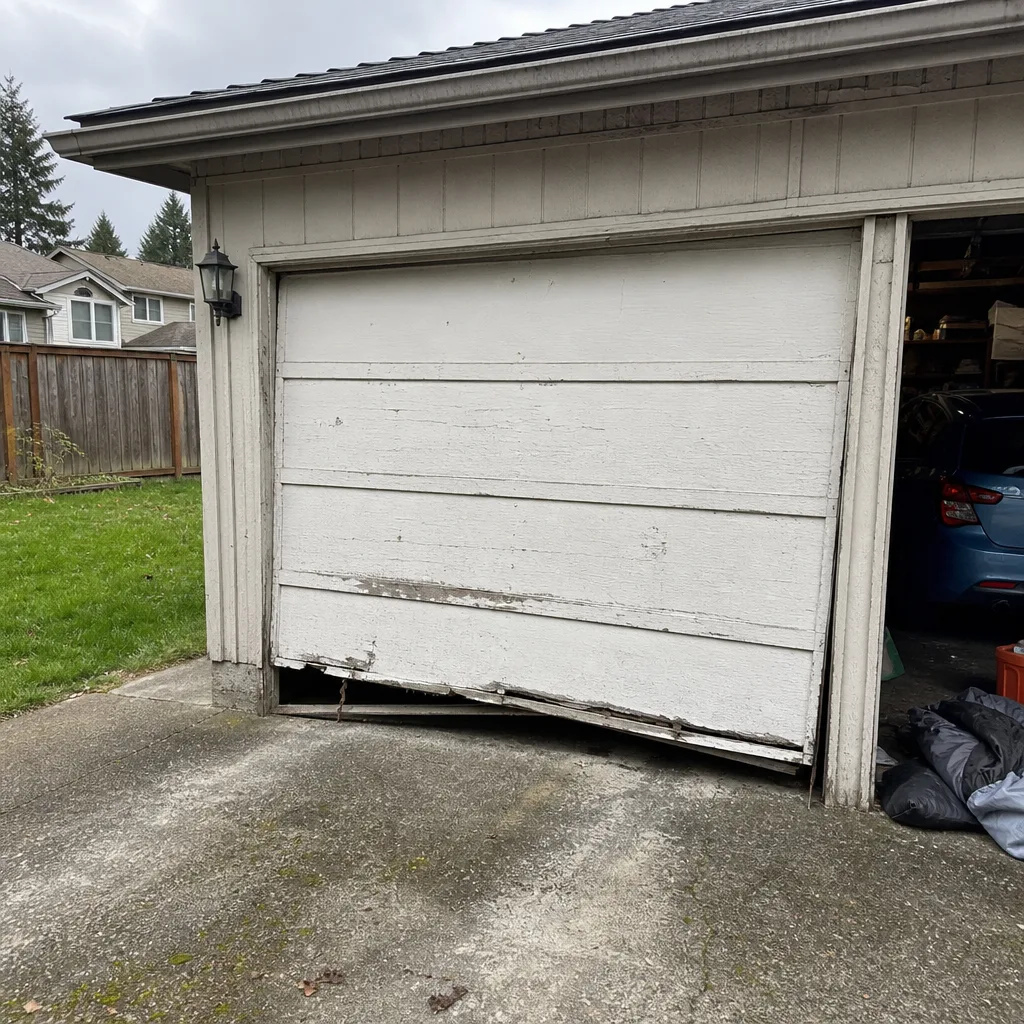 Before
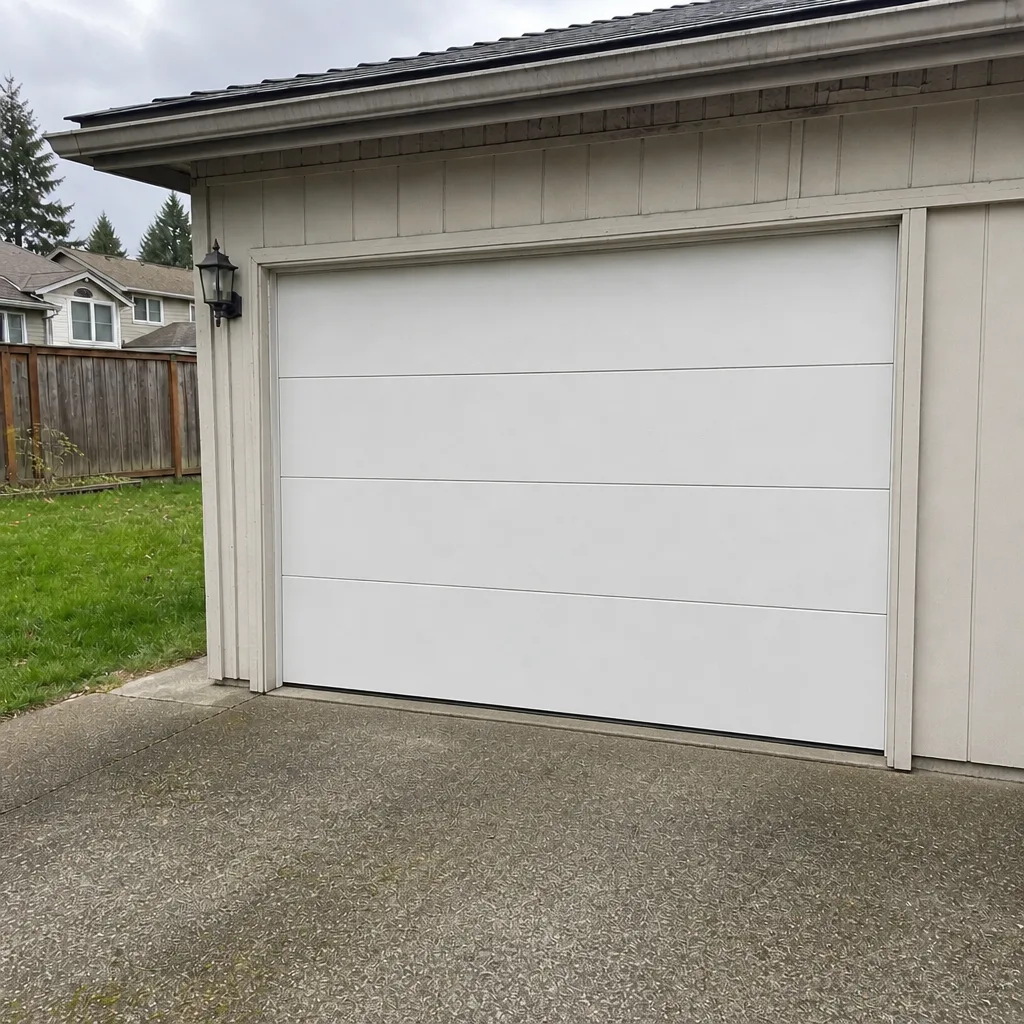 After
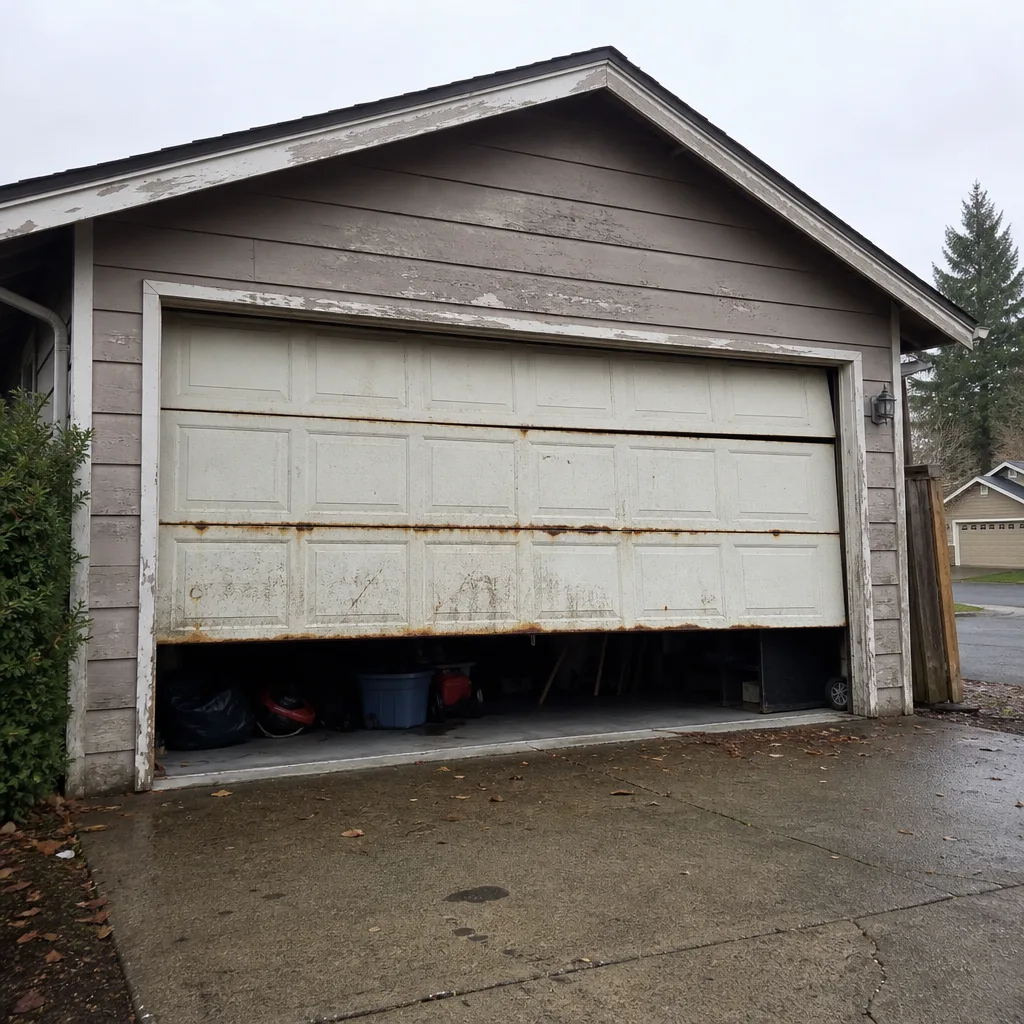 Before
 After
When to Call a Professional
Call a professional when the door won’t balance, when a spring has broken (those springs are under extreme tension and are not a DIY repair), when the opener reverses without a reason or won’t reverse on contact, or when the door has come off a track or a cable has snapped. If you’re planning a new door and need to know whether the work will trigger a permit, we can tell you which category your project falls into before anyone comes out. Garage Door Repair South Hill offers free estimates in South Hill – call (844) 443-4774. We answer 24/7. Fast dispatch from 7am to 7pm, Sunday through Friday. If your door fails at a bad moment, we treat it as the emergency it is.
Frequently Asked Questions
Usually not, if it’s a same-size replacement into the existing opening. You need a permit if the opening is widened or heightened, the structural header is changed, or a new electrical circuit is added for the opener. When in doubt, ask Pierce County’s permit desk before work starts – it’s a free question. Call (844) 443-4774 for a free estimate on the door work itself.
Search the property address or parcel number on Pierce County’s online permit portal. Building, electrical, and mechanical permits show up there along with their inspection status. An open or missing permit for structural work is a question to resolve before buying or listing. Call (844) 443-4774 if you want a set of eyes on the door and opener after the search.
WAC 51-11C is Washington’s energy code, and it applies to garage doors when the garage is conditioned or semi-conditioned – meaning the space is heated or cooled and the door separates it from the outdoors. For a typical unconditioned South Hill garage, the code requirements on the door itself are lighter. If you’re converting the garage, get an insulated door rated to spec. Call (844) 443-4774 to talk through options.
UL 325 is the safety standard for garage door openers, covering the reversing system, photoelectric sensors, and force limits. Look for the UL 325 label on the opener, confirm both sensors are installed at the bottom of the tracks, and test the reversal with a 2×4 on the floor. If any test fails, stop using the door and have the opener serviced. Call (844) 443-4774 for a free estimate on an opener check.
Only if you’re reusing an existing circuit and not modifying wiring. Any new dedicated circuit or electrical modification in Pierce County needs a licensed electrician and typically a permit. The mechanical install of the opener isn’t usually a permit item by itself, but the electrical side can be. Call (844) 443-4774 for a free estimate if you want the install handled completely.
Most commonly you’ll be asked to correct it before closing – sometimes by pulling a retroactive permit and passing inspection. In many cases the fix is small: sensors reinstalled, opener force reset, or a header properly braced. Structural corrections need a licensed contractor. Call (844) 443-4774. We answer 24/7. Fast dispatch from 7am to 7pm, Sunday through Friday, and we can walk through what the door and opener need.
The Bottom Line
Permit logic for garage doors in South Hill comes down to whether you’re changing a door or changing the structure and wiring around it. A same-size replacement with reused wiring is almost always permit-free; a widened opening, a new header, a garage conversion, or a new electrical circuit pulls a permit. WAC 51-11C matters if the garage is conditioned, and UL 325 matters on every opener you keep in service. Check Pierce County’s portal for prior permits before you buy or sell, verify contractor registration with L&I, and keep your paperwork. When you need the door work done right the first time, we’re one call away.
Ready to get your garage door sorted without guesswork? Call (844) 443-4774 for a free estimate. We answer 24/7. Fast dispatch from 7am to 7pm, Sunday through Friday. Free estimates, upfront pricing, and the written quote is the price before any work starts. If a door fails on a Saturday, we’re closed that day – call and we’ll book you for Sunday. Our technicians have up to 11 years of experience, and we work on the brand you already have.
Written by the team at Garage Door Repair South Hill.